Dog-Breeds.net

Dog Breeds Home    Dog Breeds Alphabetical Directory    How to Find Good Dog Breeders    Submit Your Link   Questions? email us

How to Choose & Buy a Dog   How to Care for a New Puppy   How to Housebreak a Dog   Dog Training   Dog Health Dictionary   Aging Dog Info
Dog and Cat Print Fabrics - Wholesale    


 HOUSEBREAKING PROBLEMS? 

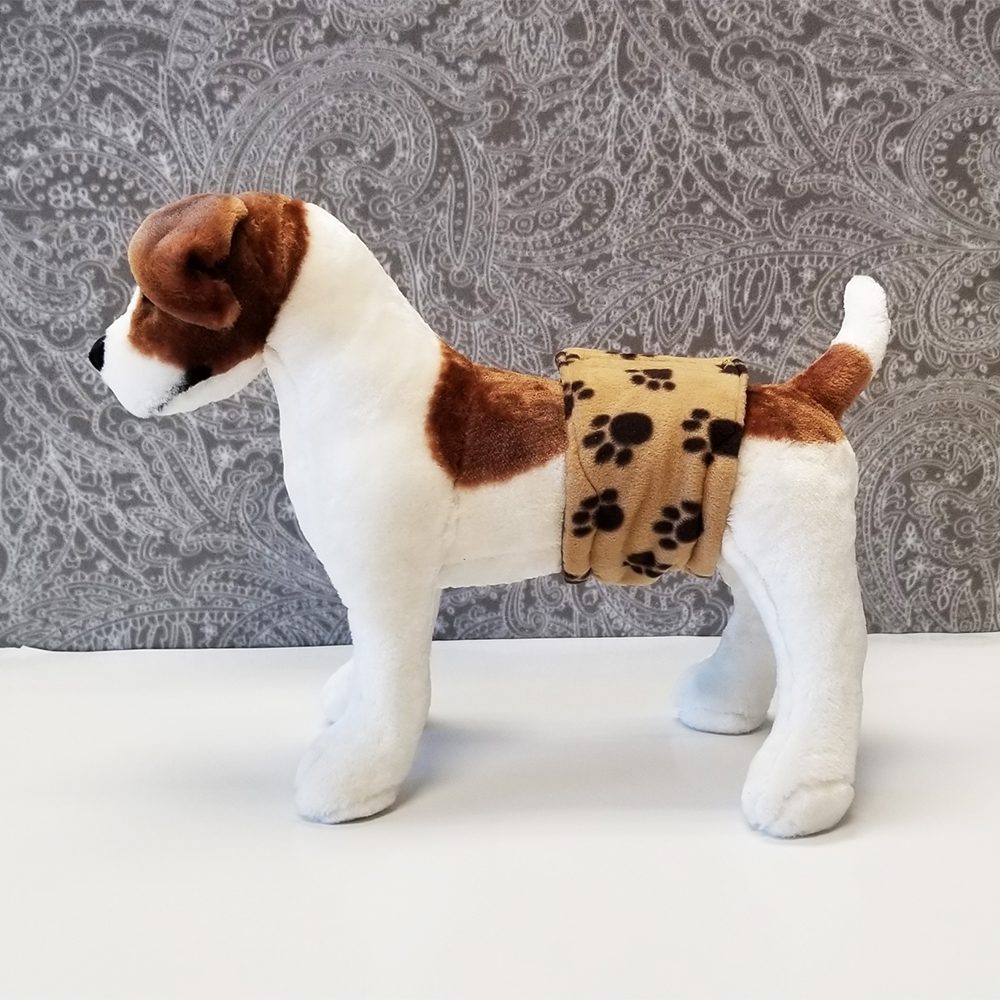
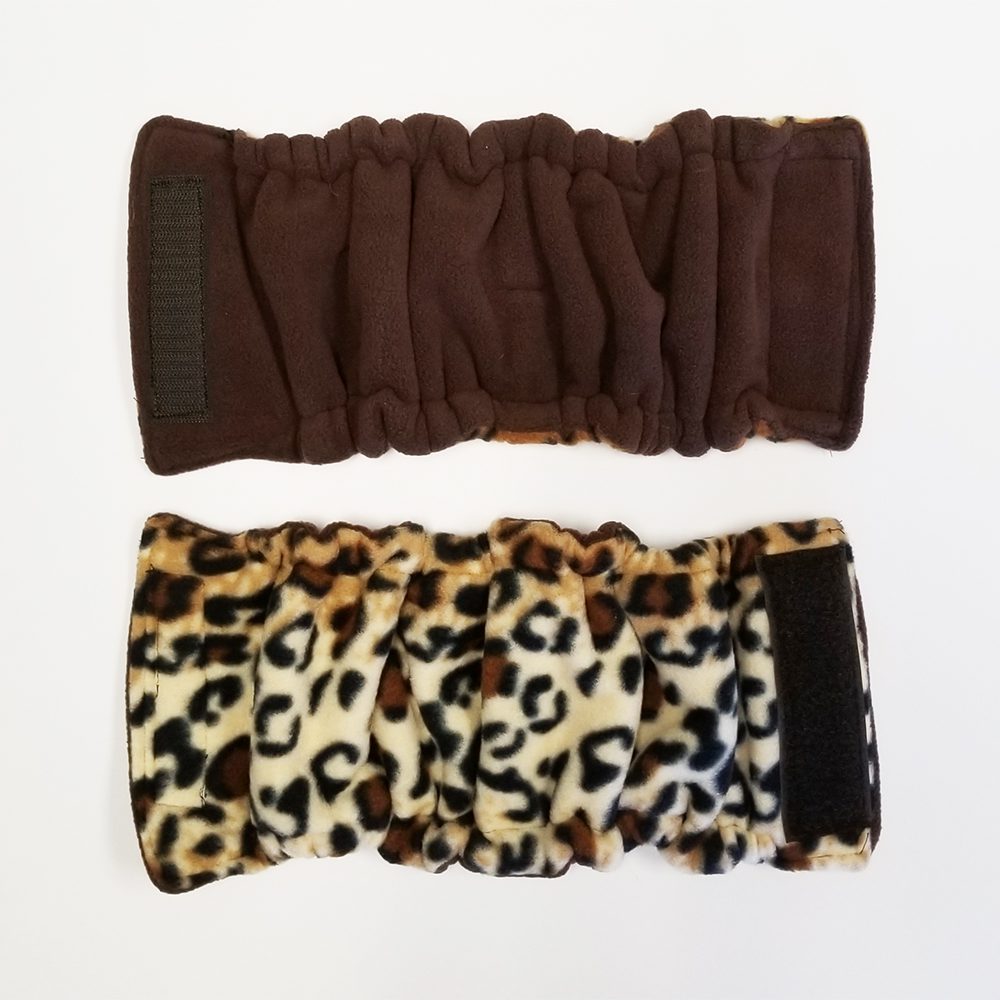
Quickly end wetting and marking messes with absorbent

belly bands rated BEST by Dog-breeds.net. Puppy training, male marking, incontinence, females in heat.

______________


 Arthritis Info Page

Learn about the types of  arthritis

that affect you 

and your pet.


TRAINING YOUR DOG


Leashbreaking and Training Your Dog to Come When Called


Leashbreaking

The "Come" Command


Leashbreaking


Walks in the park and visits to the neighbors to show off your new puppy are just ahead, so you will want to leashbreak him at an early age. The longer that you wait to give this lesson, the more difficult it will become. Purchase a collar that is the correct size for your puppy and expect to purchase a larger one when he is grown. It is very important to have the right size collar so that it does not either slip off or become too tight, and one size will not be adequate for both a puppy and an adult. It will be very helpful to take your puppy with you when you buy his collar to ensure that it is a correct fit, and he will probably enjoy the trip.

The collar should fit the bottom of the puppy’s neck with a little room to spare, but should not be able to slip off over his head. A thin nylon or leather collar with a buckle will work fine; you do not want a collar that is too wide. A young puppy will not need a metal choke collar. Many people use these in the ring when showing or for walking the adult dog; however, they are too harsh for a very young puppy. The leash should be at least six-feet long and should securely attach to the collar. Test the part that you hold and make sure it feels comfortable in your closed hand.
Place the collar comfortably on the puppy and simply leave it on him until he is used to it. If you have more than one puppy, they will inevitably spend great amounts of time chewing each other’s collars to shreds. In this case, you should leave the collar on only during actual training sessions. 

Next, attach the leash to the puppy’s collar and let him pull it around for a while. If he begins to chew on it, pick up the leash and hold it in your hand. When the puppy seems to ignore the leash, you can begin taking him for short walks. Do not leave the puppy unsupervised while wearing his collar or leash because he may catch them on something and choke or become trapped. 

At first your puppy may not like the feel of the collar pulling on his neck when he tries to go in a different direction than you. He may cry or pull back, trying to get out of the collar. Don’t drag him to you. Bend down and gently coax him to come by calling his name. You might want to hold a treat just ahead of him to encourage him to proceed with his forward motion. No matter how strenuously the puppy balks, always remain calm and continue to coax him to follow you. Eventually he will get the message that it is more pleasant to go along with you than fight it, and he will soon be walking right along. 

You can then begin to teach your puppy the command “Heel.” The pup should be walking on your left side. Hold the leash in your right hand and let it pass through your left hand. Your goal is to have the puppy walking at your left side and staying there whether your speed up or slow down. When the pup pulls ahead on the leash, give the leash a jerk and say “Heel” in a firm voice. Do not jerk hard enough to hurt the puppy; you simply want to get his attention and stop his forward motion. When the pup is in the right position, praise him. It will probably take a few training sessions, but soon he will realize what you want him to do and he’ll willingly cooperate.


The "Come" command (The most important command!)


The most important command that you can teach your puppy is the Come command. It is a necessary requirement for future obedience, agility or lure coursing training, and you will also find use for this command many times during the day. If your dog should ever get loose, this command can save him from running onto a street full of traffic and, at the very least, it will save you time in trying to run down a very quick, agile hound. 

Before you begin to teach the Come command, make sure that the area is free from other dogs and distractions. You want your puppy to concentrate on you, and if there is a lot of noise or dogs and people about, the pup can hardly be blamed if he does not give you his attention. Place a collar on him and attach a leash that is at least ten feet in length. When the pup reaches the end of the leash, call his name to get his attention, and then give him the command “Come” while gently pulling on the leash. I always have treats ready, and when the pup is at my side I give him a treat and make a big fuss over him by telling him what a wonderful dog he is. Once the pup realizes that “Come” means a treat and lots of praise, he will, no doubt, run to you when called. 

The biggest mistake that people make is to call the dog when he has done something wrong and then scold him. The dog may not remember what he did wrong, but he will remember that when he came to you he was scolded. Never scold your dog if he comes to you when called. Always praise him for responding to this command. If you must talk to your dog about something that he has done, such as stealing your four-year-old’s hot dog, go to him and then tell him that he was bad. Never call him to you in order to scold him. It goes without saying that you should never strike your dog. Saying “Bad Dog” in a harsh tone of voice is punishment enough. Your wants to please you and does not want you to be upset with him.


 Go to our Dog Breeds Alphabetical Directory to find out which breed is right for you 


Dog Breeds Home    Dog Breeds Alphabetical Directory    How to Find Good Dog Breeders    Questions? email us
How to Choose & Buy a Dog   How to Care for a New Puppy   How to Housebreak a Dog   Dog Training   Housebreaking bands  Dog Health Dictionary   Aging Dog Info

Dog and Cat Print Fabrics - Wholesale