|
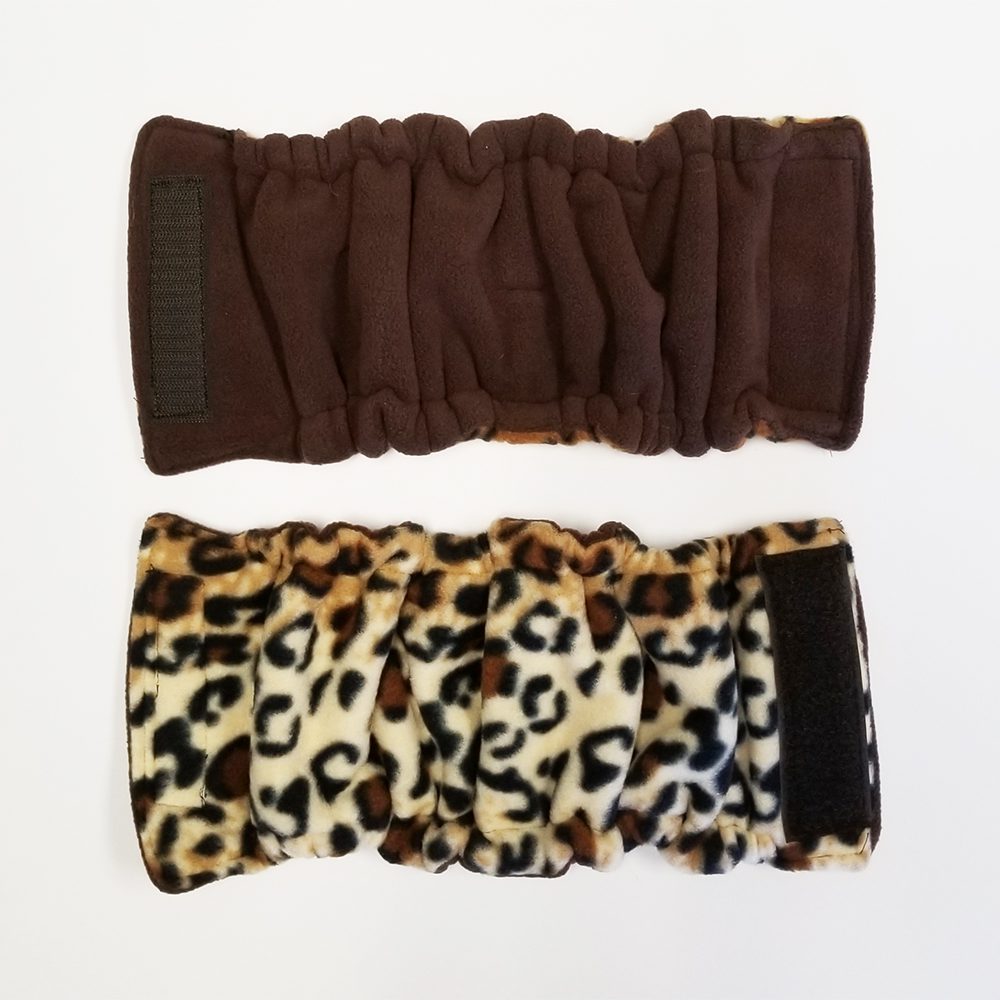
HOUSEBREAKING
PROBLEMS?
Quickly
end
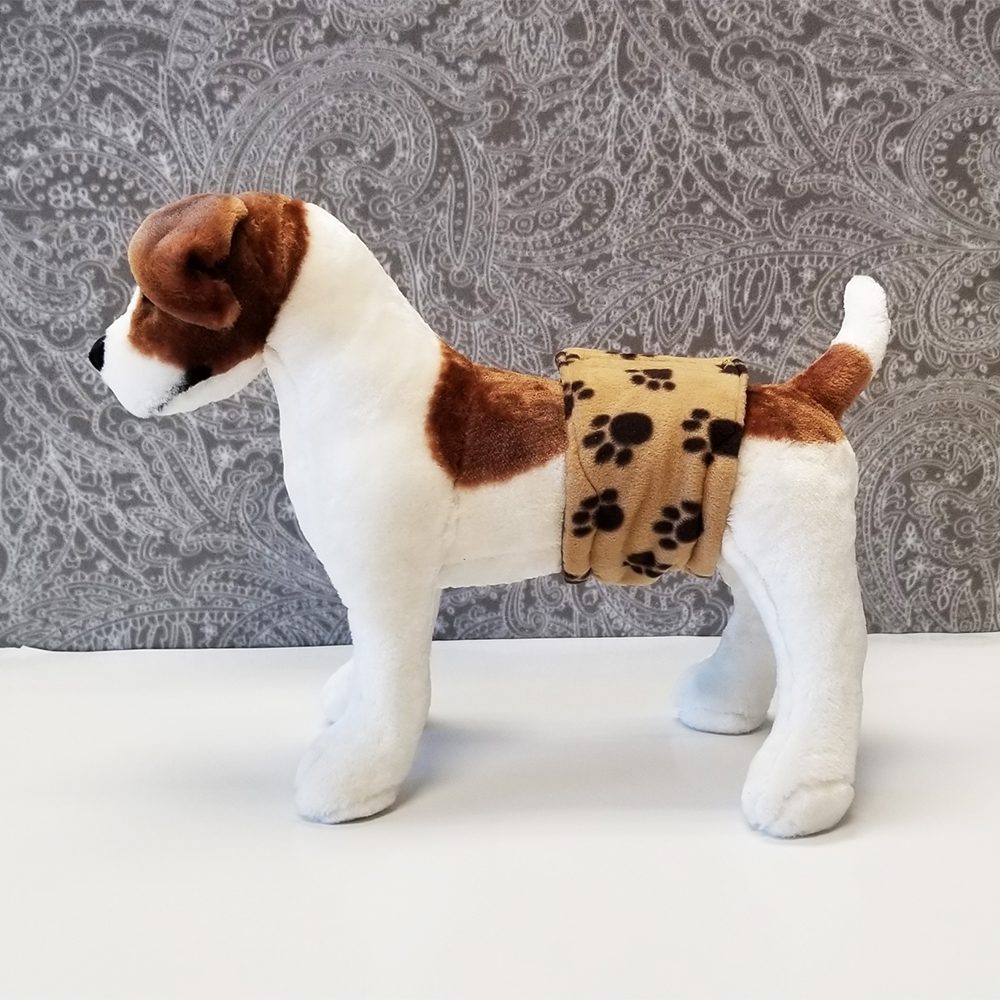
wetting and marking
messes with absorbent
belly
bands rated BEST by Dog-breeds.net. Puppy training, male marking, incontinence,
females in heat.
______________
Arthritis
Info Page
Learn
about the types of arthritis
that
affect you
and your pet.
| |
|
FEEDING
YOUR DOG...
FROM
PUPPY THROUGH ADULT
What To Feed
Our requirements for a dog food are that it provides good nutrition for proper weight, growth, energy levels, a healthy coat and firm stools. Our puppies are fed a food made specifically for puppies until they are at least one year of age. We prefer lamb and rice. They are then fed the same brand of an adult food. If you feed a prepared commercial diet as we do, we suggest that you find a quality food that your dog does well on and stay with that food. We have fed the same brand since the 1970’s.
One important point you should always remember is that a puppy is particularly sensitive to dietary deficiencies and imbalances. Although some pups have problems that are due to genetics, not diet, we have seen many puppies that have had developmental problems because they were not on a complete and balanced diet during the stressful growth stage. You have only a few months to ensure that your growing puppy receives all that he needs to grow to his full potential. Even a few weeks of dietary stress during this critical stage could do irreparable harm to a pup. Worms also stress pups and could cause the same type of growth problems, so keep puppies free from these parasites.
Amount to Feed
Dogs will vary in the amount of food that they will need to maintain proper weight. Your puppy’s breeder can guide you on the correct amount to feed your puppy, but keep in mind that this amount will quickly increase as your puppy grows. By the time a pup is a few months of age, he will be eating about twice that of a grown adult. Young puppies should be fed three to four times a day until they are three or four months of age. We recommend moistening dry food with a little water and mixing in about a teaspoon of a good quality canned food. The scent and taste of meat in the canned food will encourage a pup to eat well. Your puppy should consume his food within about ten minutes, and any leftover food can be refrigerated; however, many dogs do not enjoy leftovers and prefer a freshly made meal.
If your puppy consumes all of his food quickly and is still hungry, or if he starts to look too thin, increase the amount of food that you are feeding and have your veterinarian check his stool for worms. If he is too heavy, decrease the amount of food at his feeding, but never skip a feeding. Puppies should always be well covered with flesh, but should not appear to be roly-poly fat. In fact, research has shown that overweight puppies can be at risk of developing joint problems.
At four months of age or so, our puppies are fed at least twice a day, and this schedule should continue throughout your dog’s lifetime. Feeding times should be kept as regular as possible, and your dog will come to expect his food at these times. Puppies should not be supplemented with vitamin and mineral supplements unless your vet recommends that you do so, or you are knowledgeable about the product and the effects that it will have on your pup. Some products are beneficial, but in many cases supplementation does more harm than good.
At around twelve to fifteen months of age, your puppy will slowly begin to decrease his food intake. Having completed his growth and attained his full height, he will need less food than when he was actively growing. At this time, his food consumption will reach an optimum level for his particular needs and it should remain fairly constant thereafter.
Some dogs lose interest in food at a year or so of age and refuse to eat enough to stay in good weight. Typically, their frustrated owners add exotic ingredients to their dogs’ food to make it more tempting. This usually works for a meal or two, but then the dog becomes bored with the new taste and eventually refuses it as well. Take heed, for this is the time that many owners switch to a new brand of food, looking for something that the dog will like better. Spoiled dogs are made, not born, and this is how they are formed. It is normal for a dog to skip a meal once in a while, but if your dog refuses to eat for more than a day, it may be the first signs of an illness that needs to be diagnosed by your veterinarian. Take your thin dog to your vet for a health check. If your vet finds him to be otherwise healthy, he may simply need to mature before he reaches a more desirable weight.
Go
to our Dog Breeds Alphabetical Directory to find out which breed is

right for you |
|
|