

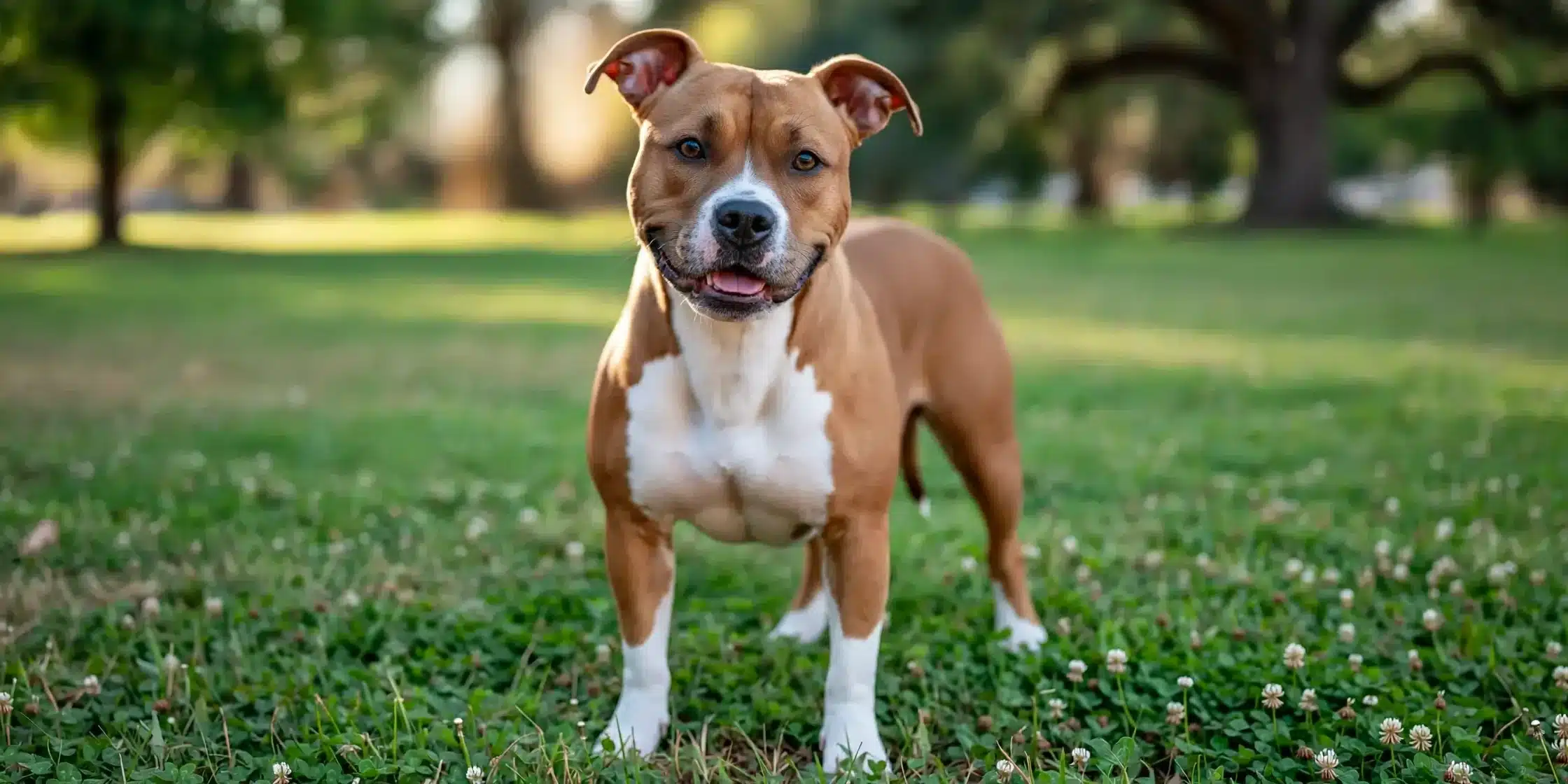
American Staffordshire Terrier: A Loyal and Courageous Dog
The American Staffordshire Terrier is a muscular, intelligent, and deeply loyal companion breed known for its confidence, strength, and affectionate nature with its family. Originally developed from early bulldog and terrier breeds, the American Staffordshire Terrier was bred for determination and athletic ability while also becoming a devoted household companion. Despite their powerful appearance, well-socialized American Staffordshire Terriers are often loving, people-oriented dogs that thrive on close interaction and strong bonds with their owners. This energetic and intelligent breed does best with experienced dog owners who can provide consistent training, early socialization, regular exercise, and calm, confident leadership. With proper guidance and responsible ownership, the American Staffordshire Terrier can be a playful, loyal, and highly devoted companion that excels in active family environments.
⭐ 3 Things You May Not Know About the American Staffordshire Terrier
- The American Staffordshire Terrier was developed in the United States from early bulldog and terrier crosses originally brought from England.
- Despite their muscular appearance, AmStaffs are widely known for being affectionate and people-oriented companions.
- The breed has worked in many roles throughout history, including farm dog, family guardian, military mascot, and therapy dog.
Overview
- AKC Height: 17–19 inches (Males), 16–18 inches (Females)
- AKC Weight: 40–70 pounds
- Colors: Various Colors Including Brindle, Black, Blue, Fawn, and White
- Life Expectancy: 12–16 years
- Group: Terrier Group
🐾 Quick Facts About the American Staffordshire Terrier
- Energy Level: High — American Staffordshire Terriers are athletic dogs that need regular exercise and mental stimulation.
- Grooming Needs: Low — Their short smooth coat is easy to maintain with occasional brushing.
- Good With Kids: Yes, with proper training and socialization — AmStaffs are often affectionate, loyal, and playful with families.
- Trainability: High — Intelligent and eager to work, they respond well to positive and consistent training.
- Barking Level: Moderate — American Staffordshire Terriers may bark to alert their family or express excitement.
Jump to Section
- History & Origin
- Breed Traits & Personality
- Exercise & Training Needs
- Grooming Requirements
- Health Overview & Testing
- Is This Breed Right for You?
- Finding a Responsible Breeder or Rescue
- Similar Breeds You Might Like
🐾 Shopping for your dog? See Lisa”s Picks: Products I Recommend — the beds, foods, and everyday gear I personally use and trust.

History & Origin
The American Staffordshire Terrier traces its origins to bulldog and terrier crosses developed in England during the 1800s. These early dogs were bred to combine the strength and courage of bulldogs with the agility and determination of terriers, creating powerful and athletic working dogs used for farm work, guarding property, and various blood sports that were common during that era. After these dogs were brought to the United States, American breeders gradually developed a larger and more heavily built version with an emphasis on stability, loyalty, and companionship.

As the breed evolved in America, breeders focused on producing dogs with strong physical ability while also encouraging dependable temperaments suitable for family life and work around people. The breed became valued as an all-purpose farm dog capable of guarding homes, helping with livestock, and serving as a loyal companion. Its intelligence, confidence, and willingness to work closely with humans contributed greatly to its popularity throughout the early 20th century.
Over time, the American Staffordshire Terrier became distinct from related breeds through selective breeding for conformation, temperament, and structure. The breed gained recognition for its muscular build, athleticism, and deep loyalty to its family. Although often misunderstood because of its history and appearance, responsible breeding and proper socialization helped establish the American Staffordshire Terrier as a devoted companion known for affection, confidence, and courage.
Modern American Staffordshire Terriers still retain many characteristics shaped by their working heritage. Their strength, intelligence, determination, and loyalty reflect generations of selective breeding for versatility and close partnership with humans. Beneath the breed’s muscular appearance is a highly people-oriented dog that thrives on companionship, structure, and positive interaction with its family.
Breed Traits & Personality
The American Staffordshire Terrier is a powerful, muscular companion breed known for its broad head, strong jaw, athletic build, and confident expression. Originally developed from early bulldog and terrier lines, the breed was refined in the United States as a loyal family companion and versatile working dog. Despite its strength and muscular appearance, the American Staffordshire Terrier should also display balance, agility, and controlled athleticism rather than exaggerated bulk.
This breed has a compact but heavily muscled frame with a broad chest, strong shoulders, thick neck, and solid rear structure that contribute to impressive physical power. The body is slightly longer than tall, with a level topline and well-developed musculature throughout. American Staffordshire Terriers are known for their strength-to-size ratio and should appear sturdy, agile, and physically capable.
The head is broad and well-defined with pronounced cheek muscles, a medium-length muzzle, and a powerful jaw structure. Their dark round eyes are set low in the skull and contribute to the breed’s alert, intelligent, and often surprisingly gentle expression. The ears may be naturally rose-shaped, half-pricked, or cropped in some regions where cropping remains legal.
The coat is short, smooth, glossy, and close-fitting, requiring relatively little maintenance while highlighting the breed’s muscular structure. Coat colors vary widely and may include blue, black, brindle, fawn, red, white, brown, sable, or combinations with white markings. The breed’s skin and coat should appear healthy, tight, and well-conditioned.
Despite their muscular build, American Staffordshire Terriers move with smooth, balanced, and confident gait. Their movement should appear effortless and athletic rather than stiff or cumbersome. Overall, the breed’s appearance conveys strength, confidence, stability, agility, and controlled power combined with attentiveness and balance.
For a broader comparison of how this breed’s size compares to others, see our Dog Size & Weight Guide.
Temperament & Personality
The American Staffordshire Terrier is known for being loyal, affectionate, confident, and deeply people-oriented. Despite the breed’s tough appearance, well-bred American Staffordshire Terriers are often extremely loving family companions that thrive on close interaction with their owners. Many are highly affectionate dogs that actively seek companionship and physical closeness.
With family members, the breed is usually playful, emotionally connected, and eager to participate in daily life. American Staffordshire Terriers often form especially strong bonds with their people and tend to be highly devoted companions. Many owners describe them as affectionate “velcro dogs” that prefer staying close to their family whenever possible.
The breed is typically courageous and confident without being unnecessarily fearful or unstable. Properly socialized American Staffordshire Terriers are often friendly and outgoing with people, including strangers, although some individuals may remain naturally watchful and protective of their home environment.
One of the breed’s defining personality traits is emotional resilience combined with sensitivity toward its owners. Although physically powerful, American Staffordshire Terriers often respond best to calm leadership, affection, and positive interaction rather than harsh correction. They are intelligent dogs that tend to bond strongly with owners who provide structure and consistency.
The breed is energetic and playful well into adulthood and usually enjoys games, exercise, and interactive activities with family members. Many American Staffordshire Terriers are especially enthusiastic about tug games, obedience work, flirt pole play, and athletic activities that allow them to use both their body and mind.
Because of their terrier ancestry and physical confidence, some American Staffordshire Terriers may display dog aggression or assertiveness toward unfamiliar dogs, particularly dogs of the same sex. Early socialization, training, and responsible management are extremely important for developing stable social behavior.
American Staffordshire Terriers are generally not emotionally suited to long periods of isolation. Without enough companionship, structure, and mental engagement, boredom or frustration can lead to destructive behavior, anxiety, or excessive energy.
In the right home, the American Staffordshire Terrier becomes an exceptionally loyal, affectionate, stable, and people-focused companion with remarkable devotion to its family.
For a broader overview of personality differences between breed groups, visit our Dog Breed Temperament Guide
Exercise & Training Needs
The American Staffordshire Terrier is an energetic, athletic breed that requires regular physical exercise and mental stimulation to remain balanced and healthy. This breed possesses substantial strength, drive, and endurance beneath its calm indoor demeanor and benefits greatly from structured daily activity.
Daily walks, active play sessions, obedience training, interactive games, and physically engaging exercise are all important for maintaining physical and emotional health. Many American Staffordshire Terriers enjoy hiking, agility, weight-pulling activities, flirt pole games, scent work, advanced obedience, and structured canine sports.
Mental stimulation is equally important for this intelligent breed. Puzzle toys, training challenges, obedience routines, and interactive activities help prevent boredom and channel the breed’s energy productively. Without sufficient stimulation, American Staffordshire Terriers may become overly excitable, destructive, or difficult to manage.
Training should begin early and remain consistent throughout adulthood. American Staffordshire Terriers are highly intelligent and capable learners, but they are also strong-willed and physically powerful. Positive reinforcement combined with calm, confident leadership typically produces the best results.
Harsh handling or inconsistent rules can create distrust or behavioral problems. This breed generally responds best to owners who are fair, emotionally steady, and consistent in their expectations. Clear structure and boundaries help the dog feel secure while also encouraging reliable behavior.
Early socialization is one of the most important aspects of raising a stable American Staffordshire Terrier. Puppies should be exposed to a wide variety of people, sounds, environments, surfaces, and controlled social experiences from an early age. Proper socialization helps build confidence and encourages calm behavior around unfamiliar situations.
Because of the breed’s strength and energy level, leash manners and impulse control training are especially important. Owners should establish boundaries early while the dog is still manageable in size and strength.
Although adaptable to various living situations, American Staffordshire Terriers usually do best in active homes where they receive regular exercise, companionship, and mentally engaging interaction. They thrive when treated as involved family members rather than isolated yard dogs.
Learn more on our Dog Training Page.
American Staffordshire Terriers are smart, confident, and strong-willed, and the right reward keeps training positive and focused. I like Bonne et Filou treats (dog-breeds.net approved affiliate link) for training sessions.
Grooming Requirements
The American Staffordshire Terrier has a short, smooth coat that is relatively easy to maintain and requires minimal grooming compared to many long-coated breeds. The breed’s sleek coat naturally highlights its muscular structure while remaining practical and functional for active lifestyles.
Weekly brushing is usually sufficient to remove loose hair, distribute natural oils, and maintain healthy skin and coat condition. Rubber grooming mitts, soft bristle brushes, or hound gloves work especially well for maintaining the breed’s glossy coat while also stimulating circulation.
Although the coat is short, American Staffordshire Terriers do shed moderately throughout the year. Regular brushing helps reduce loose hair accumulation in the home while also allowing owners to monitor the skin for irritation, parasites, bumps, or injuries.
Some individuals may be prone to skin sensitivities, environmental allergies, or irritation, particularly in dogs with lighter pigmentation. Routine skin inspection is important for identifying redness, rashes, dry patches, or allergy-related issues early.
Bathing is generally needed only occasionally unless the dog becomes especially dirty. Overbathing can strip natural oils from the skin and potentially contribute to dryness or irritation. Most American Staffordshire Terriers naturally maintain a fairly clean coat with routine care.
Regular grooming should also include nail trimming, dental care, and ear cleaning. Because the breed is highly athletic and muscular, keeping nails properly trimmed helps support healthy posture, movement, and joint comfort.
The breed’s low-maintenance coat makes grooming relatively simple for most owners while still allowing the dog to maintain its sleek, athletic appearance. Consistent grooming and skin care contribute significantly to the American Staffordshire Terrier’s comfort, health, and overall condition throughout life.
Learn more on our Dog Grooming Page.
That short, smooth coat is easy to keep in great shape. I use a soft brush, a rubber grooming brush, a grooming mitt for shedding, and a metal comb to finish.
Health Overview & Testing
The American Staffordshire Terrier is a muscular, intelligent, and highly people-oriented breed known for its strength, confidence, and deep loyalty to its family. Originally developed from working and terrier-type ancestry, the American Staffordshire Terrier is generally considered a hardy and athletic breed, but like many medium-to-large muscular dogs, it can still be prone to certain inherited and structural health concerns. Understanding common American Staffordshire Terrier health problems and recommended breeder health testing can help puppy buyers make more informed decisions when selecting a healthy puppy. Because this breed combines substantial muscle mass, athletic ability, and a strong compact build, maintaining healthy joints, skin condition, cardiovascular health, and proper body weight is especially important throughout the dog’s life.

You can find information about the diseases that affect this breed in our Dog Health Dictionary.
Is This Breed Right for You?
The American Staffordshire Terrier is a confident, intelligent, and affectionate breed known for its muscular build, loyalty, and people-oriented personality. Often called the “AmStaff,” this breed is devoted to its family and thrives when included in everyday activities.
While loving and highly trainable, the American Staffordshire Terrier is not the ideal fit for every household. Here’s a quick overview to help you decide:
✔ Ideal for:
- Owners willing to provide consistent training and structure
- Active families looking for a loyal companion
- People experienced with strong, athletic breeds
- Homes able to provide regular exercise and interaction
- Owners committed to early socialization and responsible ownership
❌ Not Ideal for:
- People wanting a low-energy or low-maintenance breed
- Homes where the dog will frequently be left alone for long periods
- Owners unwilling to provide training and leadership
- People uncomfortable managing a muscular, powerful dog
- Homes without adequate exercise opportunities
Finding a Responsible Breeder or Rescue
If you’re interested in bringing a dog of this breed into your home, consider adopting from a rescue organization or finding a reputable breeder.
Find a Reliable Rescue:
Read our page about how to adopt from a reliable dog rescue.
Find reliable rescues through our Dog Rescue Directory.
Find a Responsible Breeder:
Read our information page about buying a healthy puppy from a responsible breeder.
Find responsible breeders through our Dog Breeders Directory.
Puppy Considerations
American Staffordshire Terrier puppies are energetic, affectionate, and highly people-oriented. Early socialization and consistent training are especially important to help puppies develop confidence, good manners, and appropriate behavior around people and other animals.
These puppies are intelligent and eager to interact with their families, but they can also be strong-willed and physically powerful as they mature. Positive reinforcement and clear boundaries work best during training.
Puppies benefit from:
- Early socialization with people, dogs, and new environments
- Consistent training and structure
- Positive reinforcement and reward-based learning
- Daily exercise and mentally stimulating activities
- Supervised play and family interaction
Teaching leash manners, impulse control, and calm behavior early can make everyday life easier as the puppy grows into a strong adult dog.
Housebreaking note: young males sometimes mark indoors while they are learning. If you are having trouble housetraining your American Staffordshire Terrier, Belly Bands and Dog Diapers can be a valuable help for dogs that mark indoors while training continues.
Living With an American Staffordshire Terrier
Living with an American Staffordshire Terrier is often rewarding for owners who appreciate a loyal and affectionate companion. These dogs generally form strong bonds with their families and often enjoy close interaction with their people.
American Staffordshire Terriers typically thrive in homes where they receive regular exercise, structure, and companionship. Many enjoy walks, games, training sessions, and activities that challenge both body and mind.
Although usually affectionate with their families, some individuals may be cautious around unfamiliar dogs or protective of their home and family. Early socialization and responsible ownership are important for helping the breed develop into a confident and balanced adult.
Families with respectful children often do well with this breed due to the AmStaff’s affectionate and playful personality. However, supervision is always important because of the breed’s strength and enthusiasm.
Feeding a balanced, high-quality diet and maintaining a healthy weight are important for supporting muscle condition, joint health, and overall wellness. Routine veterinary care and regular exercise also help keep the breed healthy and active.
With that big, blocky head and classic Staffie smile, American Staffordshire Terriers are made for portraits. Crown & Paw (dog-breeds.net approved affiliate link) turns your American Staffordshire Terrier”s photo into a custom portrait.
Final Thoughts…
The American Staffordshire Terrier is a loyal, intelligent, and affectionate breed that thrives with owners willing to provide structure, companionship, and responsible leadership. Their devotion to family and confident personality make them deeply rewarding companions for the right homes.
With proper training, exercise, socialization, and daily interaction, the American Staffordshire Terrier can become a loving and dependable lifelong family companion.
Are you considering adding an American Staffordshire Terrier to your family?

🐶 American Staffordshire Terrier FAQs
How long do American Staffordshire Terriers live?
American Staffordshire Terriers typically have a lifespan of 12 to 16 years. With proper nutrition, regular veterinary care, and an active lifestyle, many live long, healthy lives. Maintaining a healthy weight and good muscle tone is especially important for this strong, athletic breed.
What is the American Staffordshire Terrier temperament like?
American Staffordshire Terriers are known for being confident, loyal, and affectionate. They are people-oriented dogs that form strong bonds with their families and are often described as loving and eager to please. When properly socialized, they are friendly and dependable companions.
Are American Staffordshire Terriers good family dogs?
Yes, American Staffordshire Terriers can make excellent family dogs in the right home. They are typically very devoted to their families and often do well with children when raised together and supervised appropriately. Early socialization and training are essential.
Do American Staffordshire Terriers shed a lot?
American Staffordshire Terriers are moderate shedders. Their short, smooth coat is easy to care for and usually only requires weekly brushing to remove loose hair and keep the coat healthy.
Are American Staffordshire Terriers easy to train?
American Staffordshire Terriers are intelligent and eager to learn, making them generally responsive to training. They do best with consistent, positive reinforcement methods. Early obedience training and socialization help ensure they grow into well-mannered adults.
Similar Breeds You Might Like
If you’re interested in the American Staffordshire Terrier, you may also enjoy learning about these similar muscular and terrier-type breeds:
-
Staffordshire Bull Terrier – Smaller but powerful, known for loyalty, confidence, and affection toward family.
-
Bull Terrier – Athletic and people-oriented, sharing similar strength and determination.
-
Boxer – Energetic and playful, with a strong build and a friendly, family-focused temperament.
Learn more about responsible dog ownership, dog health and daily care: