
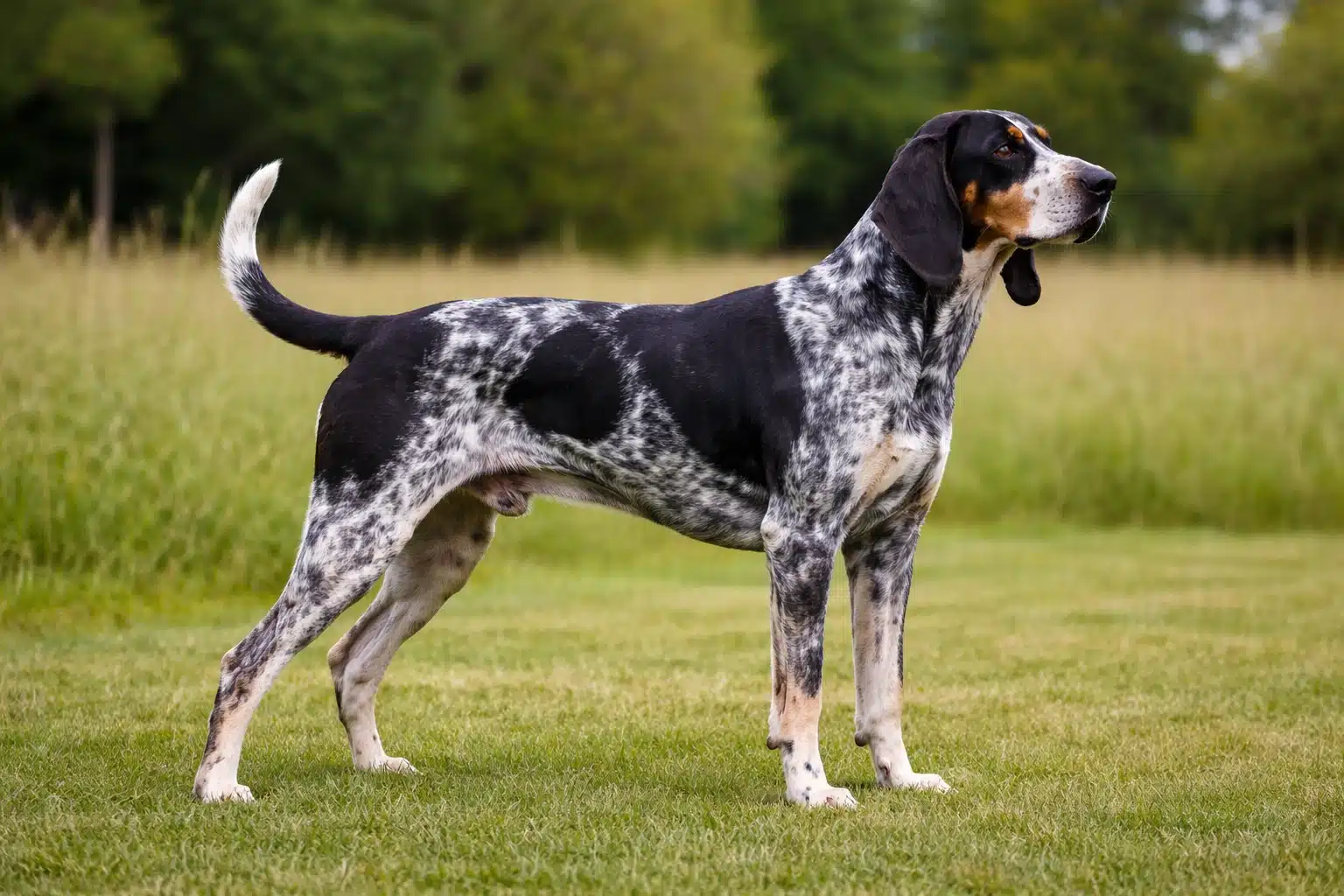
Bluetick Coonhound: The Intelligent, Loyal Hunting Hound
The Bluetick Coonhound is an athletic and determined scent hound known for its keen nose, distinctive blue-speckled coat, and strong hunting instincts. Originally developed in the United States for tracking raccoons and other game over challenging terrain, the Bluetick Coonhound combines endurance and persistence with a friendly and affectionate temperament that makes it both a skilled hunting companion and a loyal family dog. These energetic and intelligent dogs thrive with active owners who can provide regular exercise, mental stimulation, and secure outdoor space, as their powerful scent drive encourages them to follow interesting trails wherever they lead. Bluetick Coonhounds are typically social and devoted to their families but can also be independent and vocal, making early training and consistent guidance important from puppyhood. With their striking appearance, hardworking nature, and enthusiastic personality, the Bluetick Coonhound is best suited for active households seeking a driven and affectionate hound companion.
⭐ 3 Things You May Not Know About the Bluetick Coonhound
- The Bluetick Coonhound is famous for its striking blue-speckled coat and powerful scent-tracking ability.
- The breed was developed in the United States for hunting raccoons and large game across rough terrain and forests.
- Bluetick Coonhounds are known for their loud musical baying voice that hunters can hear over long distances.
Overview
- Breed Group: Hound Group
- Height: 21–27 inches
- Weight: 45–80 pounds
- Lifespan: 11–12 years
- Temperament: Loyal, intelligent, determined, affectionate
- Coat: Short, dense, blue-ticked pattern
- Exercise Needs: High
🐾 Quick Facts About the Bluetick Coonhound
- History & Origin
- Breed Traits & Personality
- Exercise & Training Needs
- Grooming Requirements
- Health Overview & Testing
- Is This Breed Right for You?
- Finding a Responsible Breeder or Rescue
- Similar Breeds You Might Like
History & Origin
The Bluetick Coonhound was developed in the United States as a determined and highly skilled scent hound used for tracking and treeing raccoons and large game across rugged terrain. The breed descends from various French and English hunting hounds brought to North America during the colonial period, including Grand Bleu de Gascogne hounds imported from France and English Foxhound lines. American hunters selectively bred these dogs for endurance, scenting ability, and adaptability to the forests, mountains, and swamps of the American South.
The breed earned its name from the distinctive “blue ticked” pattern created by black spots on a white coat, giving the dog a bluish appearance from a distance. Hunters valued Bluetick Coonhounds for their cold nose, meaning their ability to follow older scent trails over long distances and difficult terrain. Their deep musical bay and determination while tracking made them especially effective during nighttime hunting expeditions.
Unlike some faster hounds bred primarily for speed, the Bluetick Coonhound became known for methodical tracking and persistence. The breed was commonly used not only for raccoons but also for larger game such as wild boar, mountain lion, and even bear in some regions. Its stamina, courage, and strong prey drive made it one of the most respected American hunting hounds.
Over time, the Bluetick Coonhound became admired beyond hunting communities for its loyalty, intelligence, and striking appearance. Modern Bluetick Coonhounds still retain many characteristics shaped by generations of demanding hunting work, including exceptional scenting ability, endurance, determination, and independence. Beneath the breed’s calm and affectionate personality remains a hardworking American scent hound deeply connected to the country’s hunting traditions and rural heritage.
Breed Traits & Personality
The Bluetick Coonhound is a large American scent hound known for its striking mottled coat, powerful nose, endurance, and deep hunting voice. Originally developed in the United States for tracking raccoons and large game across difficult terrain, the Bluetick Coonhound combines athleticism, stamina, scenting ability, and determination in a rugged but agile hunting-dog body.
This breed has a muscular, balanced frame with a deep chest, strong shoulders, solid bone structure, and long legs designed for endurance and efficient movement during long tracking hunts. The Bluetick Coonhound should appear athletic and capable without becoming bulky or coarse. Its body structure supports both stamina and agility while navigating rough outdoor environments.
The head is broad and noble with a moderately long muzzle, dark expressive eyes, and a calm but alert expression. Their long hanging ears are one of the breed’s defining physical traits and help sweep scent particles upward toward the nose while tracking.
The breed’s short dense coat is especially distinctive. The mottled or “ticked” black-and-blue coat pattern creates the breed’s recognizable bluish appearance. Black spotting over a white background gives the coat its classic blue coloration, often combined with tan markings over the eyes, chest, muzzle, and legs.
The Bluetick Coonhound’s tail is carried proudly and helps balance the dog while moving over uneven terrain. The breed moves with smooth, ground-covering strides that reflect endurance, tracking efficiency, and working functionality rather than flashy speed.
Overall, the Bluetick Coonhound projects determination, athleticism, scenting ability, endurance, and classic American hunting-dog functionality beneath its striking blue-ticked coat.
For a broader comparison of how this breed’s size compares to others, see our Dog Size & Weight Guide.
Temperament & Personality
The Bluetick Coonhound is known for being affectionate, intelligent, energetic, and highly scent-driven. Although developed as a serious hunting dog, the breed is often loving and emotionally connected with its family while still maintaining the independence and determination typical of scent hounds.
With family members, Bluetick Coonhounds are usually loyal, affectionate, and people-oriented. Many enjoy close companionship and prefer remaining near their family throughout the day. Despite their rugged outdoor working background, they are often gentle and emotionally expressive companions at home.
The breed is generally friendly and sociable with people when properly socialized. Most Blueticks are not naturally aggressive or overly suspicious, although they may initially observe unfamiliar situations carefully before relaxing.
Like many scent hounds, the Bluetick Coonhound possesses an extremely strong prey drive and powerful scenting instincts. Once engaged with an interesting smell, the breed can become highly focused and difficult to distract. Their nose strongly influences both daily behavior and training.
Bluetick Coonhounds are also known for their deep baying voice. Many vocalize loudly while excited, tracking scents, or communicating. Their bay was historically essential for hunters following the dog’s location during nighttime tracking work.
Although intelligent, the breed often displays independent thinking and selective obedience. Blueticks were bred to work at a distance from handlers and make tracking decisions independently, which contributes to their strong-willed personality.
Because of their pack-hunting heritage, Bluetick Coonhounds usually get along relatively well with other dogs and often enjoy social interaction and companionship. Proper introductions and socialization remain important, especially around smaller animals because prey drive may still be significant.
The breed is generally happiest when provided with companionship, activity, and opportunities to engage natural scenting instincts. Without enough exercise or mental stimulation, some Blueticks may become vocal, restless, or destructive.
In the right home, the Bluetick Coonhound becomes an affectionate, entertaining, and highly loyal companion with classic scent-hound determination and personality.
For a broader overview of personality differences between breed groups, visit our Dog Breed Temperament Guide.
Exercise & Training Needs
The Bluetick Coonhound is an active and endurance-oriented breed that requires regular physical exercise and substantial mental stimulation to remain healthy and emotionally balanced. Developed for demanding nighttime tracking work, the breed possesses excellent stamina, persistence, and scent-trailing drive.
Daily walks, outdoor exploration, scent games, and active play sessions are important for maintaining both physical and emotional well-being. Bluetick Coonhounds especially enjoy activities that engage their nose, including scent work, tracking exercises, and exploratory walks through natural environments.
Mental stimulation is especially important because of the breed’s scent-driven intelligence. Puzzle toys, scent trails, food-search games, and interactive challenges help prevent boredom and provide healthy outlets for instinctive behavior.
Training a Bluetick Coonhound requires patience, consistency, and realistic expectations. While intelligent, the breed is highly independent and often more motivated by scent than immediate obedience. Positive reinforcement methods using food rewards, praise, and encouragement generally produce the best results.
Harsh correction or repetitive drilling often creates stubbornness or reduced cooperation. Short, engaging training sessions help maintain focus and enthusiasm more effectively than rigid repetitive exercises.
Recall training can be especially difficult because Blueticks instinctively follow scent trails once engaged. Secure fencing and proper leash management are extremely important because many individuals will ignore commands when tracking an interesting smell.
Early socialization helps encourage confidence and stable behavior around different people, sounds, environments, and animals. Puppies should receive controlled positive exposure to a wide variety of experiences during development.
Because of their energy level and vocal nature, Bluetick Coonhounds generally thrive best in active homes where owners appreciate scent-hound behavior and can provide consistent activity and mental enrichment.
For owners who enjoy outdoor activity and understand independent scent hounds, the Bluetick Coonhound can become an exceptionally rewarding and loyal companion.
Learn more on our Dog Training Page.
Grooming Requirements
The Bluetick Coonhound’s short dense coat is relatively low-maintenance and practical for active outdoor lifestyles. The breed’s weather-resistant coat was developed to provide protection during hunting work while remaining easy to care for.
Weekly brushing is generally sufficient to remove loose hair, distribute natural oils, and maintain healthy skin and coat condition. Rubber grooming mitts, soft bristle brushes, and hound gloves work especially well for maintaining the breed’s smooth coat.
Although grooming needs are fairly simple overall, the breed does shed moderately throughout the year. Regular brushing helps reduce loose hair accumulation and supports healthy skin circulation.
The Bluetick Coonhound’s long hanging ears require especially important routine care. Reduced airflow inside the ears can trap moisture, wax, and debris, increasing the risk of ear infections. Regular ear cleaning and inspection are essential, particularly for active outdoor dogs.
Bathing is generally needed only occasionally unless the dog becomes especially dirty during outdoor activity or tracking work. Most Blueticks naturally maintain a fairly clean coat with routine maintenance.
Routine grooming should also include nail trimming, dental care, and inspection of the skin and paw pads for cuts, parasites, burrs, or irritation after outdoor exercise.
Because Bluetick Coonhounds are active scent hounds that frequently explore rough terrain, regular inspection after walks or hunting activities is important for maintaining healthy skin and paws.
With consistent grooming and ear care, the Bluetick Coonhound maintains its sleek blue-ticked coat, healthy skin condition, and rugged hunting-dog functionality while remaining comfortable and well cared for throughout its active life.
Learn more on our Dog Grooming Page.
Health Overview & Testing
The Bluetick Coonhound is an energetic, determined, and highly scent-driven hunting breed known for its distinctive mottled blue coat, strong tracking instincts, and loud musical voice. Originally developed in the United States for trailing raccoons and large game across difficult terrain, the Bluetick Coonhound is generally considered a hardy and athletic working breed, but like many active hounds and large breeds, it can still be prone to certain inherited and structural health concerns. Understanding common Bluetick Coonhound health problems and recommended breeder health testing can help puppy buyers make more informed decisions when selecting a healthy puppy. Because this breed combines endurance, a deep chest, long ears, and a powerful athletic build, maintaining healthy joints, ear health, cardiovascular fitness, and proper body condition is especially important throughout the dog’s life.
Health issues sometimes seen in Bluetick Coonhounds may include hip dysplasia, elbow dysplasia, gastric dilatation-volvulus (bloat), ear infections, hypothyroidism, cataracts, progressive retinal atrophy (PRA), and obesity-related joint stress. Some individuals may also develop orthopedic strain or arthritis later in life due to years of strenuous activity and large-breed wear on the joints. Because the breed’s long hanging ears can trap moisture, dirt, and bacteria, chronic ear irritation and infections may become recurring concerns if preventive care is neglected. Like many deep-chested breeds, the Bluetick Coonhound may also be vulnerable to gastric torsion, a potentially life-threatening emergency requiring immediate veterinary treatment. While not every Bluetick Coonhound will develop these conditions, understanding the breed’s health tendencies allows owners to make better long-term decisions regarding breeding, exercise, nutrition, grooming, and preventive veterinary care.
Health Testing & Responsible Breeding
Responsible Bluetick Coonhound breeders should perform appropriate health screenings before breeding in order to reduce the likelihood of inherited conditions being passed to future generations. Many puppy buyers are encouraged to ask about health testing, but they are often unsure which evaluations are most important for this breed. In the Bluetick Coonhound, careful attention to orthopedic, eye, thyroid, and overall structural health is especially valuable.
Buyers should ask whether the sire and dam have completed OFA hip and elbow evaluations and ophthalmologist-performed eye examinations. Responsible breeders may also discuss thyroid disease, orthopedic longevity, ear health, hunting endurance, and overall working soundness within their bloodlines. Some breeders may additionally utilize genetic testing for inherited eye conditions when appropriate depending on pedigree history.
At this time, Bluetick Coonhound breeder health testing relies primarily on veterinary evaluations, orthopedic screening, eye certification, thyroid monitoring, and long-term pedigree knowledge rather than a large number of breed-specific DNA panels alone. However, responsible breeders should still be willing to openly discuss inherited health concerns within their breeding program and explain the purpose of any testing they perform. Ethical breeders understand that preserving the Bluetick Coonhound involves much more than maintaining hunting instinct or appearance — it also includes protecting healthy movement, endurance, stable temperament, and long-term wellness.
Before Bluetick Coonhound puppies are placed into new homes, they should receive a complete veterinary wellness examination that evaluates the heart, eyes, ears, joints, bite alignment, parasite status, overall structure, and general physical development. Because large active hound breeds place significant stress on developing bones and joints during growth, proper nutrition and controlled exercise during puppyhood are especially important. Puppies should also leave with age-appropriate vaccinations, deworming records, feeding guidance, and recommendations for safe exercise, training, and socialization during development.
A responsible Bluetick Coonhound breeder should willingly provide documentation of completed health clearances and openly discuss inherited health concerns affecting the breed. Puppy buyers should be cautious of breeders who avoid health discussions, refuse to provide testing information, or claim their dogs are completely free of health problems. Ethical breeding focuses on reducing inherited risk through careful selection, health screening, pedigree knowledge, and lifelong breeder support rather than making unrealistic promises.
Preventive Care & Long-Term Wellness
Maintaining healthy body condition and regular exercise is especially important for the Bluetick Coonhound because this breed is naturally athletic, energetic, and built for endurance. Without sufficient physical activity and mental stimulation, some individuals may become restless, vocal, stubborn, or prone to weight gain. Regular exercise helps support cardiovascular fitness, muscle tone, joint stability, and emotional well-being throughout life.
Routine ear care is especially important because the breed’s long hanging ears can trap moisture, dirt, and bacteria more easily than erect ears. Regular ear cleaning and monitoring may help reduce the risk of chronic infections or irritation, particularly in dogs that spend time outdoors or in damp conditions.
Because the Bluetick Coonhound is highly scent-driven, mental stimulation and scent-based activities are also extremely important. Tracking games, scent work, hiking, and supervised outdoor exploration help satisfy the breed’s natural instincts while reducing boredom-related behaviors.
Because the Bluetick Coonhound is a deep-chested breed, owners should also learn the warning signs of bloat and gastric torsion, including abdominal swelling, pacing, drooling, unsuccessful vomiting attempts, and sudden distress. Immediate emergency veterinary treatment is critical if these symptoms occur.
Routine veterinary examinations throughout adulthood and senior years remain important for monitoring joint stability, eye condition, thyroid function, ear health, mobility, and overall wellness. Early detection of developing health concerns often allows for more successful long-term management and improved quality of life.
Lifespan & Senior Bluetick Coonhound Care
The Bluetick Coonhound often lives approximately 11 to 12 years when responsibly bred and properly cared for. Senior Bluetick Coonhounds may gradually develop arthritis, reduced stamina, hearing decline, vision changes, muscle loss, or decreased mobility as they age. Some older dogs may also become more prone to stiffness related to orthopedic wear accumulated over years of activity.
As Bluetick Coonhounds enter their senior years, many owners focus on maintaining moderate low-impact exercise, healthy weight management, joint support, supportive bedding, regular ear care, and routine wellness monitoring. Because the breed often remains emotionally connected and socially engaged throughout life, continued companionship and gentle interaction remain important even during old age.
With attentive care, preventive veterinary support, responsible breeding, and a healthy lifestyle, many Bluetick Coonhounds continue to thrive as loyal, affectionate, and highly capable companions throughout their lives.
Is This Breed Right for You?
The Bluetick Coonhound is a loyal, energetic, and highly scent-driven hunting breed known for its endurance, tracking ability, and affectionate personality. Originally developed for trailing game over long distances, the Bluetick Coonhound thrives when given regular exercise, companionship, and opportunities to use its natural instincts.
While affectionate and easygoing with family members, the Bluetick Coonhound is not the ideal fit for every household. Here’s a quick overview to help you decide:
✔ Ideal for:
- Active owners who enjoy outdoor activities and long walks
- People interested in scent work, tracking, or hunting breeds
- Families seeking a loyal and affectionate large-breed companion
- Homes with secure fenced areas for safe exercise
- Owners able to provide regular exercise and mental stimulation
❌ Not Ideal for:
- People wanting a quiet breed with minimal vocalization
- Homes unable to provide regular physical activity
- Owners unprepared for strong scent-driven instincts
- People seeking a highly obedient off-leash companion
- Homes where the dog will frequently be left alone for extended periods
Finding a Responsible Breeder or Rescue
If you’re interested in bringing a dog of this breed into your home, consider adopting from a rescue organization or finding a reputable breeder.
Find a Reliable Rescue:
Read our page about how to adopt from a reliable dog rescue.
Find reliable rescues through our Dog Rescue Directory.
Find a Responsible Breeder:
Read our information page about buying a healthy puppy from a responsible breeder.
Find responsible breeders through our Dog Breeders Directory.
Puppy Considerations
Bluetick Coonhound puppies are curious, energetic, and highly scent-oriented from an early age. Early socialization and positive reinforcement training are important to help puppies develop confidence, emotional stability, and good manners.
Because these puppies mature into strong and determined scent hounds, consistent training and early leash manners are especially important. Their natural tracking instincts become increasingly powerful as they mature.
Puppies benefit from:
- Early socialization with people, dogs, sounds, and environments
- Positive reinforcement training and consistent routines
- Secure outdoor exercise and supervised exploration
- Scent games, mentally stimulating activities, and interactive play
- Controlled exercise appropriate for large-breed development
Because Bluetick Coonhound puppies grow into active and powerful adults, early training and carefully managed exercise are important for supporting long-term orthopedic health and manageable behavior.
Living With a Bluetick Coonhound
Living with a Bluetick Coonhound is often rewarding for owners who appreciate affectionate, determined, and scent-driven dogs. These dogs generally form strong bonds with their families and often enjoy participating in outdoor activities and adventures.
The Bluetick Coonhound requires regular exercise and mental stimulation to remain healthy and emotionally balanced. Many enjoy hiking, tracking games, scent work, long walks, and opportunities to safely explore outdoor environments.
This breed generally does best in homes where it receives companionship, structure, and opportunities to use its natural scenting instincts. Without enough engagement or exercise, boredom may lead to excessive barking, stubborn behavior, or destructive habits.
Although affectionate and gentle with family members, Bluetick Coonhounds may naturally follow scents without hesitation. Secure fencing and leash safety are important because scent hounds can become highly focused once they pick up an interesting trail.
Feeding a balanced, high-quality diet and maintaining a healthy weight are important for supporting joint health, muscle condition, stamina, and long-term wellness. Routine veterinary care, training, exercise, ear care, and companionship all contribute to helping the breed thrive.
Final Thoughts…
The Bluetick Coonhound is a loyal, determined, and highly capable scent hound that thrives with owners who appreciate the instincts and personality of traditional hunting breeds. Their endurance, affectionate nature, and exceptional scenting ability make them remarkable companions in the right homes.
With proper exercise, training, socialization, preventive care, and companionship, the Bluetick Coonhound can become a deeply devoted and highly rewarding lifelong companion.
Are you considering adding a Bluetick Coonhound to your family?
✨ Bluetick Coonhound FAQs
Are Bluetick Coonhounds good family dogs?
Yes, Bluetick Coonhounds can make excellent family dogs for active households. They are loyal and affectionate, though supervision is recommended due to their size and energy level.
Do Bluetick Coonhounds bark a lot?
Yes, Bluetick Coonhounds are known for their loud baying, especially when excited or following a scent.
Are Bluetick Coonhounds easy to train?
Bluetick Coonhounds are intelligent but independent. Consistent, patient training using positive reinforcement works best.
Can Bluetick Coonhounds live in apartments?
The Bluetick Coonhound is not well suited for apartment living due to its exercise needs and vocal nature.
Do Bluetick Coonhounds get along with other pets?
Bluetick Coonhounds typically get along well with other dogs, but their prey drive means caution is advised around smaller animals.
Similar Breeds You Might Like
If you’re interested in the Bluetick Coonhound, you may also enjoy learning about these similar scent hound breeds:
-
Basset Hound – A lower-energy scent hound with a gentle temperament and strong tracking instincts.
-
Black and Tan Coonhound – An athletic scent hound known for determination, endurance, and a friendly nature.
-
English Foxhound – A classic pack hound valued for stamina, sociability, and excellent scenting ability.
🐾 Lisa’s Picks for Bluetick Coonhounds
As someone who has worked with dogs for over 50 years—including more than 20 years helping with housebreaking and everyday care—I’m often asked for product recommendations. I’ve found that a few simple items can make a big difference in a dog’s comfort and daily routine.
If you have a Bluetick Coonhounds or are planning to bring one into your home, these products and tips can help support your journey together.
🛏️ 1. Dog Beds
👉 My Tip: Waterproof Bed Protection (My Personal Favorite Trick)
One thing I personally do is use twin-size waterproof mattress covers over larger dog beds. They’re easy to wash, protect the bed beneath, and save money long-term—especially helpful for puppies, seniors, or heavy shedders. You can find different colors and patterns that fit your decor.
For tiny dog beds, you can use waterproof pillow covers that fit over the beds to protect them and save money long-term.
I use the same idea around the house, too. Washable, waterproof couch covers are a simple way to protect furniture from dirt, shedding, and accidents—especially helpful with puppies, seniors, or dogs that love the couch.
* Orthopedic Foam Dog Beds:
A high-quality orthopedic bed is one of the best investments you can make for your dog. I recommend these for every breed, once they are out of the chewing stage, especially as they age. They provide joint support, improve comfort, and help dogs truly rest.
* Tough Dog Beds for Dogs That Chew:
If your dog tends to chew or destroy their bedding, a standard plush bed may not last long. In these cases, I recommend tough, chew-resistant dog beds made with reinforced materials.
These are designed to hold up better against digging, scratching, and chewing, and can save you from constantly replacing beds. While no bed is completely indestructible, choosing a more durable option can make a big difference.
* Puppies need Simple Washable Bedding:
For young puppies that are still learning house training, I often suggest starting with simple, washable blankets instead of an expensive dog bed.
Thick towels, fleece throws, or washable pads work very well during this stage. They’re easy to clean, quick to replace, and help protect your main dog beds until your puppy is more reliable. Once house training is more consistent, you can transition to a more permanent, supportive bed.
✂️ 2. Proper Grooming Tools for the Bluetick Coonhound Coat
Bluetick Coonhounds have a short, dense coat that is relatively easy to maintain, but regular grooming helps keep it healthy and looking its best.
A bristle brush or rubber grooming brush works well to remove loose hair and keep the coat clean, while a grooming mitt can help distribute natural oils and maintain a healthy shine. A metal comb can be used lightly for detail work if needed.
Bluetick Coonhounds are moderate shedders, and regular brushing helps control loose hair and keep the coat in good condition. It’s also important to check their long ears regularly, as they can trap moisture and debris.
Regular brushing:
- Helps prevent mats
- Reduces shedding
- Keeps the coat healthy
🦴 3. Treats (Great for All Dogs)
- Jerky Treats for Dogs: Almost all dogs love soft, easy-to-break NATURAL jerky treats. They’re perfect for rewarding good behavior without overfeeding. Soft jerky treats provide protein and are easy to chew.
- Tiny Treats for Small Dogs
For small dogs, I recommend using very tiny, NATURAL training treats that are soft and easy to chew. This lets you reward often without overfeeding.
- Stronger Chew Treats for Larger Dogs
Dogs that enjoy a more robust chewing experience will benefit from stronger chew treats. Some larger dogs may still go through them quickly, while others will take more time—so it often depends on the individual dog.
👉 My Tip: Check Ingredient Labels
I always recommend checking the ingredient label when choosing treats at the store. Dogs don’t need added sugar or artificial ingredients, and some treats can upset their stomach or cause diarrhea. Look for all-natural ingredient labels, and single ingredient or few ingredient labels are preferred.
It’s important to note that even among the same breed, some dogs enjoy chewing more than others, and many have preferences for certain types of chews. If you notice bleeding gums during chewing, it’s a good idea to have your dog examined by a veterinarian to rule out any dental issues.
🧠 4. Enrichment Toys for Mental Stimulation
Bluetick Coonhounds are inquisitive, so giving them something to do is important.
An enrichment toy can help:
- Prevent boredom
- Reduce unwanted behaviors
- Keep their mind engaged
When choosing an enrichment toy, think about your dog’s personality and needs. Some dogs love puzzle toys and mental challenges, while others are happier with something they can chew or carry around.
🐕 5. Safe, Comfortable Harness, Collar & Leash
From my experience, choosing the right walking gear can make a big difference in both safety and control. Some harnesses and collars are designed to help prevent dogs from slipping out, which is especially important for strong or easily startled dogs, and those are the types I personally recommend for safety.
Harness: A quality, comfortable properly fitted harness can make walks more comfortable and easier to manage—especially for dogs that tend to pull or get excited outdoors. If you have a dog that tries to wiggle out of their harness, search for an “escape proof” harness that has an extra strap towards the back.
Collar: I use and prefer safety martingale collars, as they can help prevent dogs from backing out of their collar while still being more gentle than traditional collars when used correctly.
Leash: Choose a lightweight leash for small dogs and a sturdier, heavier leash for larger dogs to ensure good control. Nylon leashes are strong and long-lasting. Some leashes also include a comfortable padded handle.
👉 My Tip: Avoid Retractable Leashes
I don’t recommend retractable leashes, as they can break and tangle easily and create safety issues and tripping hazards.
💡 Lisa’s Tip:
You don’t need a lot of products to care for a dog well… just the right ones. Focus on comfort, consistency, and routine, and you’ll make life easier for both you and your dog.
🔎 Affiliate Note
Some links on this page may be affiliate links. If you choose to purchase, Dog-Breeds.net may earn a small commission that will help us to continue our message of dog owner education—at no extra cost to you.
Learn more about responsible dog ownership, dog health and daily care: