
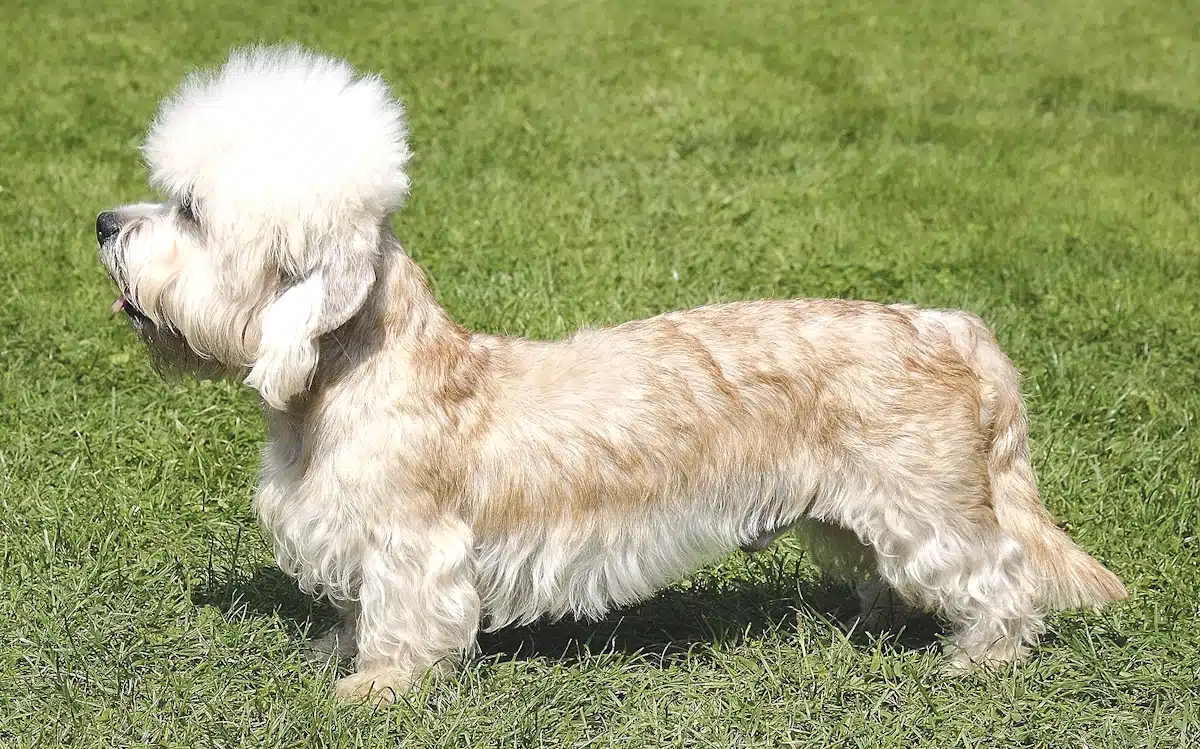
Dandie Dinmont Terrier: An In-Depth Guide to This Unique and Lovable Breed
The Dandie Dinmont Terrier is a small and distinctive terrier breed known for its long body, silky topknot, and calm but courageous personality. Originally developed along the border regions of England and Scotland for hunting otters and badgers, the Dandie Dinmont Terrier combines the determination and toughness of a working terrier with a more relaxed and affectionate temperament than many other terrier breeds. These intelligent and loyal dogs form strong bonds with their families and thrive with owners who can provide regular interaction, moderate exercise, and gentle but consistent training. While generally quieter and less intense than many terriers, Dandie Dinmont Terriers still retain an independent streak and strong hunting instincts, making early socialization and supervision around small animals important. With their unique appearance, adaptable nature, and devoted personality, the Dandie Dinmont Terrier is well suited for individuals or families seeking a charming and affectionate companion dog.
⭐ 3 Things You May Not Know About the Dandie Dinmont Terrier
- The Dandie Dinmont Terrier is the only AKC-recognized dog breed named after a fictional character rather than a place, person, or physical trait.
- Early Dandie Dinmont Terriers were highly respected otter hunters and were tough enough to work in cold rivers and rocky terrain despite their small size.
- The breed’s distinctive “topknot” of silky hair on the head was originally part of its practical weather-resistant coat and became one of its trademark features over time.
Overview
- Height: 8-11 inches
- Weight: 18-24 pounds
- Coat: Silky and profuse, requiring regular grooming
- Temperament: Lively, intelligent, and affectionate
- Life Expectancy: 12-15 years
- Exercise Needs: Moderate
- Group: Terrier group
🐾 Quick Facts About the Dandie Dinmont Terrier
- Energy Level: Moderate — Dandie Dinmont Terriers enjoy walks, playtime, and outdoor activity but are generally calmer than many terrier breeds.
- Grooming Needs: Moderate to High — Their unique double coat requires regular brushing and grooming maintenance.
- Good With Kids: Yes — Dandie Dinmont Terriers are generally affectionate, loyal, and friendly with families and children.
- Trainability: Moderate — Intelligent but somewhat independent, they respond best to patient and positive training methods.
- Barking Level: Moderate — Dandie Dinmont Terriers may bark to alert their family or express excitement.
Jump to Section
- History & Origin
- Breed Traits & Personality
- Exercise & Training Needs
- Grooming Requirements
- Health Overview & Testing
- Is This Breed Right for You?
- Finding a Responsible Breeder or Rescue
- Similar Breeds You Might Like
History & Origin
The Dandie Dinmont Terrier originated in the border region between England and Scotland, where it was developed as a tough and determined hunting terrier used for tracking and pursuing otters, badgers, foxes, and other small game. Unlike many terrier breeds named after geographic locations, the Dandie Dinmont Terrier is uniquely named after a fictional character from Sir Walter Scott’s 1814 novel Guy Mannering. The character, Dandie Dinmont, owned a group of distinctive terriers resembling the breed, and the name eventually became permanently associated with these dogs.
The breed’s ancestors were highly valued by farmers and hunters in the rugged border countryside for their courage, persistence, and ability to work both above and below ground. Selective breeding focused on creating a sturdy, low-to-the-ground terrier capable of maneuvering through dense brush, rocky terrain, and animal dens while maintaining strength and endurance.
The Dandie Dinmont Terrier developed several distinctive physical traits suited for its working role, including a long flexible body, powerful front legs, and a weather-resistant coat. Despite its relatively small size, the breed earned a reputation for fearlessness and determination while hunting difficult quarry such as otters and badgers in harsh outdoor conditions.
Unlike some terrier breeds bred mainly for high energy and intensity, the Dandie Dinmont Terrier gradually became known for a somewhat calmer and more dignified temperament while still retaining strong hunting instincts. Its unusual topknot of soft hair and unique body shape also helped distinguish it from other terriers of the region.
Modern Dandie Dinmont Terriers still retain many characteristics shaped by their hunting heritage. Their intelligence, independence, courage, and strong prey drive reflect generations of selective breeding for difficult field work. Beneath the breed’s charming appearance and gentle expression remains a resilient and determined little working terrier deeply connected to the rural hunting traditions of the English-Scottish borderlands.
Breed Traits & Personality
The Dandie Dinmont Terrier is a unique and instantly recognizable terrier breed known for its long low body, distinctive topknot, expressive eyes, and sturdy working-dog structure. Originally developed in the border regions of Scotland and England for hunting otters and badgers, the breed combines toughness, agility, and determination with a charming and dignified appearance.
The breed possesses a long flexible body supported by short muscular legs and strong bone structure. Although relatively small in size, the Dandie should appear powerful, balanced, and capable of maneuvering through tunnels, rough terrain, and dense undergrowth while pursuing quarry.
One of the breed’s most recognizable features is its large rounded head covered with a soft silky topknot that contrasts with the harsher texture of the body coat. The large dark expressive eyes contribute greatly to the breed’s intelligent and gentle expression.
The ears are low-set, hanging close to the cheeks with soft feathering at the tips. The muzzle is strong and deep with powerful jaws that reflect the breed’s original hunting purpose.
The Dandie Dinmont Terrier’s coat is a unique mixture of hard and soft hair, creating a crisp textured appearance that provides weather resistance while maintaining the breed’s distinctive outline. The coat is not tightly wiry like some terriers but instead has a softer, more blended texture.
Coat colors are traditionally divided into “pepper” and “mustard” shades. Pepper ranges from bluish-black to silver-gray tones, while mustard varies from reddish-brown to pale fawn shades.
The breed’s tail is moderately curved and thicker at the base, often described as resembling a scimitar shape. Movement should appear smooth, free, and surprisingly agile despite the breed’s low-set structure.
The Dandie’s flexible spine, muscular neck, and powerful forequarters historically allowed it to perform difficult underground hunting work while maintaining stamina and determination.
Overall, the Dandie Dinmont Terrier projects individuality, strength, intelligence, and classic terrier character through its distinctive low-bodied structure and expressive appearance.
For a broader comparison of how this breed’s size compares to others, see our Dog Size & Weight Guide.
Temperament & Personality
The Dandie Dinmont Terrier is known for being affectionate, intelligent, courageous, and surprisingly calm compared to many other terrier breeds. Although possessing classic terrier determination and confidence, the Dandie often displays a more reserved and dignified personality.
With family members, the breed is typically loyal, loving, and emotionally connected. Many Dandies form especially close bonds with their owners and enjoy remaining near their people throughout the day.
The breed is generally gentle and affectionate indoors while still retaining the boldness and determination associated with working terriers. Dandies often balance playful behavior with calm companionship very well.
Although friendly with family, some individuals may initially appear reserved or cautious around strangers. Early socialization helps encourage confidence and stable behavior in unfamiliar situations.
The Dandie Dinmont Terrier is intelligent and observant, often noticing environmental changes quickly. Many individuals make effective watchdogs despite their relatively small size.
Because of the breed’s hunting background, Dandies may possess prey drive and natural interest in chasing small animals or investigating scents. Proper supervision and training are important during outdoor activities.
Unlike some highly reactive terriers, the Dandie is often somewhat quieter and less hyperactive while still maintaining strong confidence and determination.
The breed generally responds well to calm consistent interaction and positive household structure. Harsh correction or excessive force may create stubbornness or reduce trust.
Many Dandies coexist well with other household pets when properly socialized, although some individuals may display assertiveness toward unfamiliar dogs.
Because of their emotionally connected nature, Dandie Dinmont Terriers usually enjoy companionship and regular interaction with family members rather than prolonged isolation.
In the right home, the Dandie Dinmont Terrier becomes a loyal, entertaining, affectionate companion with classic terrier spirit and distinctive personality.
For a broader overview of personality differences between breed groups, visit our Dog Breed Temperament Guide.
Exercise & Training Needs
The Dandie Dinmont Terrier is a moderately active breed that benefits from regular exercise and mental stimulation to remain healthy and behaviorally balanced. Although calmer than some terrier breeds, the Dandie still possesses strong curiosity, intelligence, and working instincts.
Daily walks, interactive play sessions, scent games, and mentally engaging activities help maintain the breed’s physical and emotional well-being. Many Dandies enjoy exploring outdoors and investigating scents using their natural hunting instincts.
Training is generally rewarding because the breed is intelligent and capable of learning quickly, although occasional stubbornness or independent thinking may appear during training sessions.
Positive reinforcement methods using praise, treats, encouragement, and consistency usually produce the best long-term results. Calm leadership and patience are especially effective with this breed.
Harsh correction or repetitive forceful training may create resistance or reduce motivation. Dandies typically respond best to engaging sessions that maintain their interest and trust.
Early socialization is important to encourage confidence and adaptability around unfamiliar people, animals, sounds, and environments. Positive exposure during puppyhood helps develop balanced adult temperament.
Because of their hunting heritage, some Dandies may display prey drive or selective recall when distracted by scents or movement. Secure fencing and leash supervision are often important safety considerations.
The breed generally adapts well to apartment living and smaller homes provided exercise and companionship needs are consistently met.
Care should also be taken to avoid excessive jumping or rough handling because the breed’s long back may be somewhat vulnerable to spinal strain similar to other long-bodied breeds.
Although not hyperactive, Dandies benefit greatly from regular interaction, mental stimulation, and moderate structured activity throughout life.
For owners seeking a loyal, intelligent, affectionate terrier with moderate exercise needs and distinctive personality, the Dandie Dinmont Terrier can become an exceptionally rewarding companion.
Learn more on our Dog Training Page.
Grooming Requirements
The Dandie Dinmont Terrier has moderate grooming requirements due to its unique coat texture and distinctive appearance. Regular maintenance helps preserve both coat condition and the breed’s characteristic outline.
The coat consists of a mixture of hard and soft hair that should be brushed several times per week to prevent tangles and remove loose hair. Particular attention should be given to feathered areas on the legs, ears, chest, and underside.
Many owners choose professional grooming or hand-stripping to help maintain proper coat texture and traditional breed appearance. Clipping alone may soften the coat texture over time.
The breed sheds relatively lightly compared to many other dogs, although regular grooming remains important for maintaining healthy skin and coat condition.
Bathing is generally needed periodically to maintain cleanliness and healthy coat texture. Overbathing should be avoided because it may soften the coat excessively or contribute to skin dryness.
Routine grooming should also include nail trimming, dental care, ear cleaning, and inspection of the skin for irritation or debris.
The distinctive silky topknot should be brushed carefully to prevent tangles while maintaining the breed’s characteristic expression and appearance.
Because of the breed’s low-set structure, owners should also monitor the underside and feet for dirt, moisture, or debris collected during outdoor activity.
Dental care is especially important because smaller breeds may be more prone to tartar buildup and dental disease over time.
With proper grooming, preventive care, and regular maintenance, the Dandie Dinmont Terrier maintains its healthy coat, distinctive appearance, and spirited companion-dog vitality throughout its life.
Learn more on our Dog Grooming Page.
Health Overview & Testing
The Dandie Dinmont Terrier is an intelligent, affectionate, and distinctive small terrier breed known for its long body, expressive eyes, silky topknot, and calm but determined personality. Originally developed along the border regions of England and Scotland for hunting otters and badgers, the Dandie Dinmont Terrier is generally considered a hardy and long-lived breed, but like many long-backed and low-set dogs, it can still be prone to several inherited and structural health concerns. Understanding common Dandie Dinmont Terrier health problems and recommended breeder health testing can help puppy buyers make more informed decisions when selecting a healthy puppy. Because this breed combines a long spine, sturdy body, short legs, and active terrier instincts, maintaining healthy spinal function, joint stability, eye condition, mobility, and overall body condition is especially important throughout the dog’s life.
Health issues sometimes seen in Dandie Dinmont Terriers may include intervertebral disc disease (IVDD), glaucoma, hypothyroidism, patellar luxation, epilepsy, Cushing’s disease, obesity-related joint stress, and age-related arthritis. Some individuals may also develop spinal strain, dental disease, allergies, or mobility problems later in life. Because the breed’s elongated body places additional stress on the spine, maintaining healthy weight and proper exercise management are especially important for long-term orthopedic wellness. While not every Dandie Dinmont Terrier will develop these conditions, understanding the breed’s health tendencies allows owners to make better long-term decisions regarding breeding, nutrition, handling, exercise, and preventive veterinary care.
Health Testing & Responsible Breeding
Responsible Dandie Dinmont Terrier breeders should perform appropriate health screenings before breeding in order to reduce the likelihood of inherited conditions being passed to future generations. Many puppy buyers are encouraged to ask about health testing, but they are often unsure which evaluations are most important for this breed. In the Dandie Dinmont Terrier, careful attention to spinal health, eye condition, orthopedic wellness, and overall structural soundness is especially valuable.
Buyers should ask whether the sire and dam have completed ophthalmologist-performed eye examinations, patella evaluations, and thyroid screening when appropriate. Responsible breeders may also discuss glaucoma history, spinal health, orthopedic longevity, temperament stability, and overall lifespan within their bloodlines. Some breeders may additionally monitor for neurological concerns or hereditary eye disorders depending on pedigree history.
At this time, Dandie Dinmont Terrier breeder health testing relies heavily on veterinary evaluations, eye certification, orthopedic screening, and long-term pedigree knowledge rather than a large number of breed-specific DNA panels. However, responsible breeders should still be willing to openly discuss inherited health concerns within their breeding program and explain the purpose of any testing they perform. Ethical breeders understand that preserving the Dandie Dinmont Terrier involves much more than maintaining appearance or coat style — it also includes protecting healthy movement, stable temperament, spinal wellness, and long-term quality of life.
Before Dandie Dinmont Terrier puppies are placed into new homes, they should receive a complete veterinary wellness examination that evaluates the heart, eyes, joints, bite alignment, neurological responses, parasite status, overall structure, and general physical development. Because long-backed breeds place unique stress on the spine during growth, proper nutrition and carefully managed exercise during puppyhood are especially important. Puppies should also leave with age-appropriate vaccinations, deworming records, feeding guidance, grooming recommendations, and instructions for safe socialization and training during development.
A responsible Dandie Dinmont Terrier breeder should willingly provide documentation of completed health clearances and openly discuss inherited health concerns affecting the breed. Puppy buyers should be cautious of breeders who avoid health discussions, refuse to provide testing information, or claim their dogs are completely free of health problems. Ethical breeding focuses on reducing inherited risk through careful selection, health screening, pedigree knowledge, and lifelong breeder support rather than making unrealistic promises.
Preventive Care & Long-Term Wellness
Maintaining healthy body condition is especially important for the Dandie Dinmont Terrier because excess weight places additional strain on the spine, knees, hips, and overall mobility. Although naturally sturdy and muscular for their size, Dandies should remain lean and properly conditioned rather than overweight. Balanced nutrition, portion control, and regular moderate exercise all help support long-term spinal and orthopedic health.
Because the breed’s long back is especially vulnerable to injury, owners should also take precautions to reduce excessive jumping, rough handling, repeated stair climbing, or high-impact activity that may place unnecessary stress on the spine.
The Dandie Dinmont Terrier’s coat requires regular brushing and grooming maintenance to help prevent matting and maintain healthy skin and coat condition. Grooming sessions also provide an excellent opportunity to monitor for lumps, parasites, skin irritation, coat-quality changes, or developing health concerns.
The breed is also an intelligent and independent terrier that benefits from regular mental stimulation and structured interaction. Scent games, obedience work, puzzle toys, supervised outdoor exploration, and interactive play all contribute to emotional balance and long-term wellness.
Routine veterinary examinations throughout adulthood and senior years remain important for monitoring spinal health, mobility, eye condition, neurological wellness, thyroid function, and overall quality of life. Early detection of developing health concerns often allows for more successful long-term management and improved outcomes.
Lifespan & Senior Dandie Dinmont Terrier Care
The Dandie Dinmont Terrier often lives approximately 12 to 15 years when responsibly bred and properly cared for. Senior Dandie Dinmont Terriers may gradually develop arthritis, reduced stamina, hearing decline, vision changes, muscle loss, or decreased mobility as they age. Some older dogs may also become more prone to spinal stiffness or eye-related conditions during the senior years.
As Dandie Dinmont Terriers enter their senior years, many owners focus on maintaining moderate low-impact exercise, healthy weight management, supportive bedding, spinal support, coat maintenance, and routine wellness monitoring. Because the breed often remains emotionally connected and interactive throughout life, continued companionship and mental stimulation remain especially important even during old age.
With attentive care, preventive veterinary support, responsible breeding, and a healthy lifestyle, many Dandie Dinmont Terriers continue to thrive as affectionate, entertaining, and highly devoted companions throughout their lives.
Is This Breed Right for You?
The Dandie Dinmont Terrier is an intelligent, affectionate, and highly distinctive terrier breed known for its loyal personality, calm confidence, and strong hunting instincts. Originally developed for hunting burrowing animals, the Dandie Dinmont Terrier thrives when given companionship, moderate exercise, and opportunities to stay mentally engaged.
While loving and adaptable, the Dandie Dinmont Terrier is not the ideal fit for every household. Here’s a quick overview to help you decide:
✔ Ideal for:
- Families seeking an affectionate and entertaining companion dog
- Owners able to manage spinal health and weight carefully
- People interested in training, scent games, or interactive activities
- Homes willing to provide companionship and structure
- Owners looking for a bold but calmer terrier personality
❌ Not Ideal for:
- People unwilling to manage grooming and coat maintenance
- Homes where rough handling or excessive jumping is common
- Owners seeking a highly obedient or low-prey-drive dog
- People unprepared for terrier independence and stubbornness
- Homes where the dog will frequently be isolated or under-stimulated
Finding a Responsible Breeder or Rescue
If you’re interested in bringing a dog of this breed into your home, consider adopting from a rescue organization or finding a reputable breeder.
Find a Reliable Rescue:
Read our page about how to adopt from a reliable dog rescue.
Find reliable rescues through our Dog Rescue Directory.
Find a Responsible Breeder:
Read our information page about buying a healthy puppy from a responsible breeder.
Find responsible breeders through our Dog Breeders Directory.
Puppy Considerations
Dandie Dinmont Terrier puppies are curious, intelligent, and highly confident from an early age. Early socialization and positive reinforcement training are important to help puppies develop confidence, emotional stability, and good manners.
Because these puppies mature into independent and determined terriers, early structure and healthy outlets for their curiosity are especially important. Their prey drive and strong personalities often become obvious very early in development.
Puppies benefit from:
- Early socialization with people, dogs, sounds, and environments
- Positive reinforcement training and consistent routines
- Controlled exercise appropriate for long-backed breed development
- Interactive games, scent work, and mentally stimulating activities
- Regular handling for grooming and veterinary-care routines
Because Dandie Dinmont Terrier puppies have developing spines and joints, owners should avoid excessive jumping or repetitive high-impact activity during growth.
Living With a Dandie Dinmont Terrier
Living with a Dandie Dinmont Terrier is often rewarding for owners who appreciate affectionate, entertaining, and highly interactive companion dogs. These dogs generally form strong bonds with their families and often enjoy participating in everyday household activities.
The Dandie Dinmont Terrier requires regular moderate exercise and mental stimulation to remain healthy and emotionally balanced. Many enjoy scent games, obedience training, puzzle toys, walks, and supervised outdoor exploration.
This breed generally does best in homes where it receives companionship, structure, training, and opportunities to stay mentally occupied. Without enough engagement or exercise, boredom may lead to stubbornness, digging, excessive barking, or destructive behavior.
Although affectionate and loyal with family members, Dandie Dinmont Terriers may naturally be somewhat reserved around unfamiliar people or animals. Early socialization and responsible ownership are important for helping the breed develop into a confident and stable adult.
Feeding a balanced, high-quality diet and maintaining a healthy weight are important for supporting spinal health, mobility, muscle condition, and overall wellness. Routine veterinary care, exercise, training, grooming, and companionship all contribute to helping the breed thrive.
Final Thoughts…
The Dandie Dinmont Terrier is an affectionate, intelligent, and deeply loyal terrier breed that thrives with owners who appreciate bold personality and interactive companionship. Their distinctive appearance, calm confidence, and devotion make them unforgettable companions in the right homes.
With proper exercise, preventive care, socialization, training, spinal protection, and companionship, the Dandie Dinmont Terrier can become a deeply rewarding and highly devoted lifelong companion.
Are you considering adding a Dandie Dinmont Terrier to your family?
🐶 Dandie Dinmont Terriers FAQs
How long do Dandie Dinmont Terriers live?
Dandie Dinmont Terriers typically have a lifespan of about 12 to 15 years. With proper nutrition, routine veterinary care, and maintaining a healthy weight, many live well into their senior years.
This breed can be prone to certain health issues, including spinal problems and eye conditions. Regular checkups and responsible breeding help support long-term health.
What is the Dandie Dinmont Terrier temperament like?
Dandie Dinmont Terriers are known for being affectionate, independent, and confident. They often display a calm demeanor indoors while remaining alert and spirited when active.
They tend to form strong bonds with their families and may be reserved with strangers. Early socialization helps them develop balanced and confident behavior.
Are Dandie Dinmont Terriers good family dogs?
Dandie Dinmont Terriers can be good family dogs, particularly in homes with older children. They are loyal companions and enjoy spending time with their families.
Because of their small size and long backs, gentle handling is important. Supervised interactions and clear boundaries help ensure positive family relationships.
Do Dandie Dinmont Terriers shed a lot?
Dandie Dinmont Terriers are low shedders. Their unique coat consists of a combination of soft and harsh hair, which sheds minimally compared to many breeds.
Regular grooming and occasional hand-stripping or trimming help keep the coat tidy and healthy. Shedding is generally not a major concern for this breed.
Are Dandie Dinmont Terriers easy to train?
Dandie Dinmont Terriers are intelligent but can be independent, which may make training moderately challenging. They often prefer training sessions that are short and engaging.
Positive reinforcement and consistency are important. Early training and socialization help establish good manners and reliable behavior.
Similar Breeds You Might Like
If you’re interested in the Dandie Dinmont Terrier, you may also enjoy learning about these similar small terrier breeds:
- Scottish Terrier – A confident, sturdy terrier known for independence and strong loyalty to its family.
- Cairn Terrier – A lively, alert terrier valued for adaptability and a friendly personality.
- West Highland White Terrier – A cheerful, sturdy small breed known for confidence and family-friendly temperament.
🐾 Lisa’s Picks for Dandie Dinmont Terriers
As someone who has worked with dogs for over 50 years—including more than 20 years helping with housebreaking and everyday care—I’m often asked for product recommendations. I’ve found that a few simple items can make a big difference in a dog’s comfort and daily routine.
If you have a Dandie Dinmont Terrier or are planning to bring one into your home, these products and tips can help support your journey together.
🛏️ 1. Dog Beds
👉 My Tip: Waterproof Bed Protection (My Personal Favorite Trick)
One thing I personally do is use twin-size waterproof mattress covers over larger dog beds. They’re easy to wash, protect the bed beneath, and save money long-term—especially helpful for puppies, seniors, or heavy shedders. You can find different colors and patterns that fit your decor.
For tiny dog beds, you can use waterproof pillow covers that fit over the beds to protect them and save money long-term.
I use the same idea around the house, too. Washable, waterproof couch covers are a simple way to protect furniture from dirt, shedding, and accidents—especially helpful with puppies, seniors, or dogs that love the couch.
* Orthopedic Foam Dog Beds:
A high-quality orthopedic bed is one of the best investments you can make for your dog. I recommend these for every breed, once they are out of the chewing stage, especially as they age. They provide joint support, improve comfort, and help dogs truly rest.
* Tough Dog Beds for Dogs That Chew:
If your dog tends to chew or destroy their bedding, a standard plush bed may not last long. In these cases, I recommend tough, chew-resistant dog beds made with reinforced materials.
These are designed to hold up better against digging, scratching, and chewing, and can save you from constantly replacing beds. While no bed is completely indestructible, choosing a more durable option can make a big difference.
* Puppies need Simple Washable Bedding:
For young puppies that are still learning house training, I often suggest starting with simple, washable blankets instead of an expensive dog bed.
Thick towels, fleece throws, or washable pads work very well during this stage. They’re easy to clean, quick to replace, and help protect your main dog beds until your puppy is more reliable. Once house training is more consistent, you can transition to a more permanent, supportive bed.
✂️ 2. Proper Grooming Tools for the Dandie Dinmont Terrier Coat
Dandie Dinmont Terriers have a unique coat with a soft topknot and a harsh, crisp body coat, so using the right grooming tools makes a big difference.
A gentle slicker brush works well to remove loose hair and prevent tangles, while a metal comb helps keep the coat neat—especially around the face, legs, and furnishings. Regular hand-stripping is often recommended to help maintain the proper texture and appearance of the coat, although trimming may be used for easier maintenance.
Consistent grooming helps keep the coat tidy, healthy, and true to the breed’s distinctive look.
Regular brushing:
- Helps remove loose hair
- Maintains coat texture
- Keeps the coat healthy
🦴 3. Treats (Great for All Dogs)
- Jerky Treats for Dogs: Almost all dogs love soft, easy-to-break NATURAL jerky treats. They’re perfect for rewarding good behavior without overfeeding. Soft jerky treats provide protein and are easy to chew.
- Tiny Treats for Small Dogs
For small dogs, I recommend using very tiny, NATURAL training treats that are soft and easy to chew. This lets you reward often without overfeeding.
- Stronger Chew Treats for Larger Dogs
Dogs that enjoy a more robust chewing experience will benefit from stronger chew treats. Some larger dogs may still go through them quickly, while others will take more time—so it often depends on the individual dog.
👉 My Tip: Check Ingredient Labels
I always recommend checking the ingredient label when choosing treats at the store. Dogs don’t need added sugar or artificial ingredients, and some treats can upset their stomach or cause diarrhea. Look for all-natural ingredient labels, and single ingredient or few ingredient labels are preferred.
It’s important to note that even among the same breed, some dogs enjoy chewing more than others, and many have preferences for certain types of chews. If you notice bleeding gums during chewing, it’s a good idea to have your dog examined by a veterinarian to rule out any dental issues.
🧠 4. Enrichment Toys for Mental Stimulation
Dandie Dinmont Terriers are active, so giving them something to do is important.
An enrichment toy can help:
- Prevent boredom
- Reduce unwanted behaviors
- Keep their mind engaged
When choosing an enrichment toy, think about your dog’s personality and needs. Some dogs love puzzle toys and mental challenges, while others are happier with something they can chew or carry around.
🐕 5. Safe, Comfortable Harness, Collar & Leash
From my experience, choosing the right walking gear can make a big difference in both safety and control. Some harnesses and collars are designed to help prevent dogs from slipping out, which is especially important for strong or easily startled dogs, and those are the types I personally recommend for safety.
Harness: A quality, comfortable properly fitted harness can make walks more comfortable and easier to manage—especially for dogs that tend to pull or get excited outdoors. If you have a dog that tries to wiggle out of their harness, search for an “escape proof” harness that has an extra strap towards the back.
Collar: I use and prefer safety martingale collars, as they can help prevent dogs from backing out of their collar while still being more gentle than traditional collars when used correctly.
Leash: Choose a lightweight leash for small dogs and a sturdier, heavier leash for larger dogs to ensure good control. Nylon leashes are strong and long-lasting. Some leashes also include a comfortable padded handle.
👉 My Tip: Avoid Retractable Leashes
I don’t recommend retractable leashes, as they can break and tangle easily and create safety issues and tripping hazards.
💡 Lisa’s Tip:
You don’t need a lot of products to care for a dog well… just the right ones. Focus on comfort, consistency, and routine, and you’ll make life easier for both you and your dog.
🔎 Affiliate Note
Some links on this page may be affiliate links. If you choose to purchase, Dog-Breeds.net may earn a small commission that will help us to continue our message of dog owner education—at no extra cost to you.
Learn more about responsible dog ownership, dog health and daily care: