
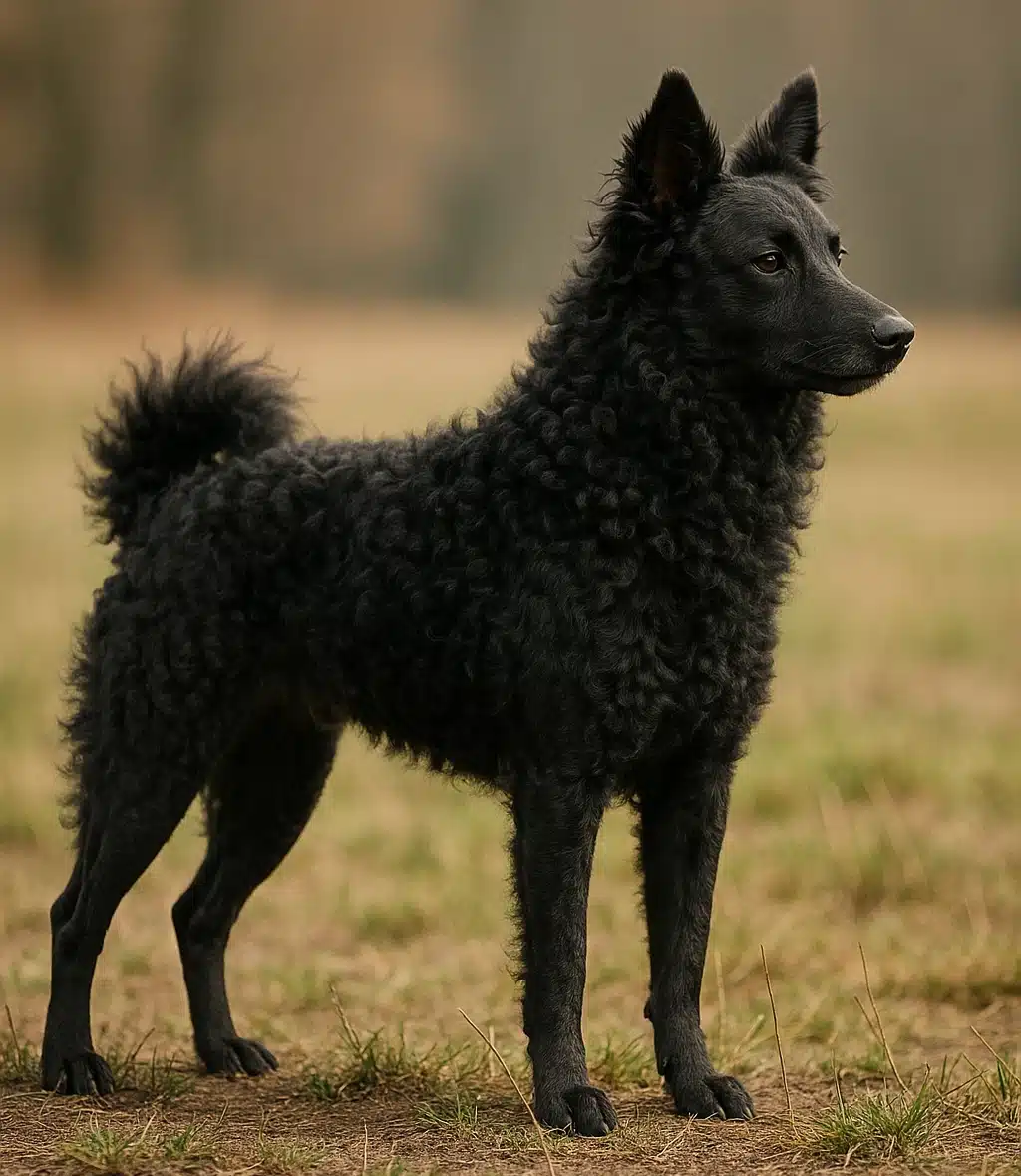
Mudi: Hungary’s Rare and Remarkable Herding Dog
The Mudi is a rare and highly intelligent Hungarian herding breed known for its agility, versatility, and energetic personality. Originally developed for herding livestock and farm work, the Mudi combines quick reflexes and strong working instincts with a loyal and affectionate temperament that makes it both a capable working dog and a devoted companion. These active and highly trainable dogs thrive with owners who can provide regular exercise, advanced training, and plenty of mental stimulation, as Mudis are happiest when they have a job to do and close involvement with their family. Naturally alert and eager to learn, the breed excels in obedience, agility, herding, and many canine sports while also forming strong bonds with its people. With their curly coat, athletic ability, and enthusiastic personality, the Mudi is best suited for active households seeking an intelligent and highly versatile companion dog.
⭐ 3 Things You May Not Know About the Mudi
- The Mudi is a rare Hungarian herding breed known for its remarkable versatility and ability to work livestock ranging from sheep to cattle.
- Mudis are highly athletic and excel in modern dog sports such as agility, obedience, flyball, and herding competitions.
- The breed naturally comes in several coat colors, including the striking merle pattern that is especially admired among Mudi enthusiasts.
Overview
- AKC Height: 15–19 inches
- AKC Weight: 18–29 pounds
- Colors: Black, white, gray, fawn, brown, mer
- Life Expectancy: 12–14 years
- Group: Herding Group
🐾 Quick Facts About the Mudi
- Energy Level: Very High — Mudis are energetic working dogs that need significant exercise and mental stimulation.
- Grooming Needs: Moderate — Their wavy to curly coat is relatively easy to maintain with regular brushing.
- Good With Kids: Yes — Mudis are often affectionate and loyal with families when properly socialized.
- Trainability: Very High — Intelligent and eager to work, they learn quickly and excel in advanced training activities.
- Barking Level: High — Mudis are naturally alert and vocal and may bark frequently while working or guarding.
Jump to Section
- History & Origin
- Breed Traits & Personality
- Exercise & Training Needs
- Grooming Requirements
- Health Overview & Testing
- Is This Breed Right for You?
- Finding a Responsible Breeder or Rescue
- Similar Breeds You Might Like
History & Origin
Health Overview & Testing
The Mudi is an intelligent, energetic, and highly versatile herding breed known for its agility, curly coat, and strong working instincts. Originally developed in Hungary as a multipurpose farm and herding dog, the Mudi is generally considered a hardy and athletic breed, but like many active herding dogs, it can still be prone to several inherited and structural health concerns. Understanding common Mudi health problems and recommended breeder health testing can help puppy buyers make more informed decisions when selecting a healthy puppy. Because this breed combines athletic movement, high intelligence, emotional sensitivity, and strong work drive, maintaining healthy joints, eye health, neurological wellness, mobility, and overall body condition is especially important throughout the dog’s life.
Health issues sometimes seen in Mudis may include hip dysplasia, patellar luxation, epilepsy, progressive retinal atrophy (PRA), allergies, and age-related arthritis. Some individuals may also develop cruciate ligament injuries, obesity-related orthopedic stress, hereditary eye concerns, or neurological conditions later in life. Because the breed is naturally active and highly athletic, maintaining proper conditioning and regular mental stimulation is especially important for supporting long-term orthopedic wellness and emotional balance. While not every Mudi will develop these conditions, understanding the breed’s health tendencies allows owners to make better long-term decisions regarding breeding, exercise, training, nutrition, and preventive veterinary care.
Health Testing & Responsible Breeding
Responsible Mudi breeders should perform appropriate health screenings before breeding in order to reduce the likelihood of inherited conditions being passed to future generations. Many puppy buyers are encouraged to ask about health testing, but they are often unsure which evaluations are most important for this breed. In the Mudi, careful attention to orthopedic, neurological, eye, and overall structural health is especially valuable.
Buyers should ask whether the sire and dam have completed OFA or PennHIP hip evaluations, patella evaluations, ophthalmologist-performed eye examinations, and additional neurological screening when appropriate. Responsible breeders may also discuss orthopedic longevity, temperament stability, herding ability, working soundness, and overall lifespan within their bloodlines. Some breeders may additionally monitor for hereditary immune-related concerns depending on pedigree history.
Unlike some breeds selected primarily for appearance alone, responsible Mudi breeding programs often place strong emphasis on athletic soundness, stable temperament, and working ability because the breed was developed for physically demanding farm and livestock work. Ethical breeders understand that preserving the Mudi involves much more than maintaining coat texture or appearance — it also includes protecting healthy movement, emotional stability, neurological wellness, and long-term vitality.
Before Mudi puppies are placed into new homes, they should receive a complete veterinary wellness examination that evaluates the heart, eyes, joints, neurological responses, bite alignment, parasite status, overall structure, and general physical development. Because active herding breeds place stress on developing bones and joints during growth, proper nutrition and carefully managed exercise during puppyhood are especially important. Puppies should also leave with age-appropriate vaccinations, deworming records, feeding guidance, and recommendations for safe socialization, grooming, and physical conditioning during development.
A responsible Mudi breeder should willingly provide documentation of completed health clearances and openly discuss inherited health concerns affecting the breed. Puppy buyers should be cautious of breeders who avoid health discussions, refuse to provide testing information, or claim their dogs are completely free of health problems. Ethical breeding focuses on reducing inherited risk through careful selection, health screening, pedigree knowledge, and lifelong breeder support rather than making unrealistic promises.
Preventive Care & Long-Term Wellness
Maintaining healthy body condition and regular exercise is especially important for the Mudi because this breed is naturally energetic, athletic, and mentally active. Without sufficient physical activity and mental stimulation, some individuals may become anxious, vocal, destructive, or emotionally frustrated. Regular exercise helps support cardiovascular fitness, muscle tone, coordination, joint stability, and emotional well-being throughout life.
The Mudi is also an extremely intelligent and highly trainable breed that benefits from regular mental stimulation and structured interaction. Herding activities, obedience work, puzzle toys, agility, scent games, hiking, and interactive play all contribute to emotional balance and long-term wellness.
The breed’s wavy to curly coat requires moderate grooming maintenance, including regular brushing to help maintain healthy skin and coat condition. Grooming sessions also provide an excellent opportunity to monitor for parasites, skin irritation, lumps, coat-quality changes, or developing health concerns.
Because some Mudis may be emotionally sensitive and highly responsive to environmental stimulation, early socialization and confidence-building experiences are especially important for supporting long-term emotional stability.
Routine veterinary examinations throughout adulthood and senior years remain important for monitoring mobility, orthopedic wellness, neurological health, eye condition, skin health, and overall quality of life. Early detection of developing health concerns often allows for more successful long-term management and improved outcomes.
Lifespan & Senior Mudi Care
The Mudi often lives approximately 12 to 14 years when responsibly bred and properly cared for. Senior Mudis may gradually develop arthritis, reduced stamina, hearing decline, vision changes, muscle loss, or decreased mobility as they age. Some older dogs may also become more prone to orthopedic stiffness or sensory decline during the senior years.
As Mudis enter their senior years, many owners focus on maintaining moderate low-impact exercise, healthy weight management, supportive bedding, joint support, continued mental stimulation, and routine wellness monitoring. Because the breed often remains mentally active and emotionally connected throughout life, continued companionship and purposeful activity remain especially important even during old age.
With attentive care, preventive veterinary support, responsible breeding, and a healthy lifestyle, many Mudis continue to thrive as affectionate, energetic, and highly devoted companions throughout their lives.
Is This Breed Right for You?
The Mudi is an intelligent, energetic, and highly versatile herding breed known for its athletic ability, loyalty, and strong work drive. Originally developed for herding and farm work, the Mudi thrives when given exercise, companionship, structure, and opportunities to stay mentally and physically engaged.
While affectionate and adaptable, the Mudi is not the ideal fit for every household. Here’s a quick overview to help you decide:
✔ Ideal for:
- Active owners who enjoy training and outdoor activities
- Families seeking an intelligent and interactive companion
- People able to provide regular exercise and mental stimulation
- Owners interested in agility, obedience, or canine sports
- Homes willing to provide companionship and structure
❌ Not Ideal for:
- People unable to provide regular exercise and engagement
- Homes where the dog will frequently be isolated or inactive
- Owners seeking a low-energy or highly independent dog
- People unprepared for herding instincts and high intelligence
- Homes unwilling to provide training and mental stimulation
Finding a Responsible Breeder or Rescue
If you’re interested in bringing a dog of this breed into your home, consider adopting from a rescue organization or finding a reputable breeder.
Find a Reliable Rescue:
Read our page about how to adopt from a reliable dog rescue.
Find reliable rescues through our Dog Rescue Directory.
Find a Responsible Breeder:
Read our information page about buying a healthy puppy from a responsible breeder.
Find responsible breeders through our Dog Breeders Directory.
Puppy Considerations
Mudi puppies are playful, intelligent, and highly people-oriented from an early age. Early socialization and positive reinforcement training are extremely important to help puppies develop confidence, emotional stability, and appropriate behavior.
Because these puppies mature into active and highly trainable herding dogs, early structure and healthy outlets for their energy are especially important. Their curiosity, intelligence, and herding instincts often become obvious very early in development.
Puppies benefit from:
- Early socialization with people, dogs, sounds, and environments
- Positive reinforcement training and structured routines
- Daily exercise and mentally stimulating activities
- Confidence-building exercises and interactive play
- Consistent boundaries and positive behavioral guidance
Because Mudi puppies are highly intelligent and emotionally responsive, calm leadership and consistent training are especially important during development.
Living With a Mudi
Living with a Mudi is often rewarding for owners who appreciate energetic, intelligent, and highly interactive companion dogs. These dogs generally form strong bonds with their families and often enjoy participating in outdoor adventures and active daily routines.
The Mudi requires regular physical exercise and mental stimulation to remain healthy and emotionally balanced. Many enjoy agility, herding activities, obedience work, scent games, puzzle toys, hiking, and interactive play with their families.
This breed generally does best in homes where it receives companionship, structure, training, and opportunities to stay mentally occupied. Without enough engagement or exercise, boredom may lead to excessive barking, anxiety, destructive behavior, or emotional frustration.
Although affectionate and social with family members, Mudis may naturally be somewhat reserved around unfamiliar people or environments. Early socialization and responsible ownership are important for helping the breed develop into a confident and stable adult.
Feeding a balanced, high-quality diet and maintaining a healthy weight are important for supporting endurance, mobility, muscle condition, orthopedic wellness, and overall quality of life. Routine veterinary care, exercise, training, grooming, and companionship all contribute to helping the breed thrive.
Final Thoughts…
The Mudi is an affectionate, intelligent, and deeply loyal herding breed that thrives with owners who appreciate active companionship and strong emotional connection. Their trainability, athletic ability, and enthusiastic personality make them remarkable companions in the right homes.
With proper exercise, preventive care, socialization, training, grooming, and companionship, the Mudi can become a deeply rewarding and highly devoted lifelong companion.
Are you considering adding a Mudi to your family?
🐶 Mudis FAQs
How long do Mudis live?
Mudis typically have a lifespan of about 12 to 14 years. With proper nutrition, routine veterinary care, and regular physical activity, many remain healthy well into their senior years.
This breed is generally hardy but may be prone to certain inherited conditions such as hip dysplasia and eye issues. Responsible breeding and routine health screenings help support long-term wellbeing.
What is the Mudi temperament like?
Mudis are known for being intelligent, energetic, and highly alert. They are versatile working dogs that thrive when given mental stimulation and purposeful activity.
They tend to be loyal and attentive to their families while remaining cautious in unfamiliar situations. Early socialization helps ensure confident and well-balanced behavior.
Are Mudis good family dogs?
Mudis can be good family dogs in active households that understand herding breed needs. They often form strong bonds with their families and enjoy being involved in daily activities.
They generally do best with families that can provide regular exercise and engagement. Supervision and consistent routines support positive family relationships.
Do Mudis shed a lot?
Mudis are moderate shedders. Their wavy to curly coat sheds year-round, with increased shedding during seasonal coat changes.
Regular brushing helps manage shedding and keeps the coat healthy. Grooming needs are moderate compared to many long-coated breeds.
Are Mudis easy to train?
Mudis are highly intelligent and generally easy to train. They learn quickly and respond well to positive reinforcement and clear instruction.
Early training and socialization are important to channel their energy productively. This breed often excels in obedience and performance activities.
Similar Breeds You Might Like
If you’re interested in the Mudi, you may also enjoy learning about these similar herding breeds:
- Pumi – A lively Hungarian herding breed known for intelligence and alertness.
- Border Collie – A highly driven herding dog valued for focus, athleticism, and trainability.
- Miniature American Shepherd – A smaller herding breed known for versatility, intelligence, and strong family bonds.
🐾 Lisa’s Picks for Mudi
As someone who has worked with dogs for over 50 years—including more than 20 years helping with housebreaking and everyday care—I’m often asked for product recommendations. I’ve found that a few simple items can make a big difference in a dog’s comfort and daily routine.
If you have an Mudi or are planning to bring one into your home, these products and tips can help support your journey together.
🛏️ 1. Dog Beds
👉 My Tip: Waterproof Bed Protection (My Personal Favorite Trick)
One thing I personally do is use twin-size waterproof mattress covers over larger dog beds. They’re easy to wash, protect the bed beneath, and save money long-term—especially helpful for puppies, seniors, or heavy shedders. You can find different colors and patterns that fit your decor.
For tiny dog beds, you can use waterproof pillow covers that fit over the beds to protect them and save money long-term.
I use the same idea around the house, too. Washable, waterproof couch covers are a simple way to protect furniture from dirt, shedding, and accidents—especially helpful with puppies, seniors, or dogs that love the couch.
* Orthopedic Foam Dog Beds:
A high-quality orthopedic bed is one of the best investments you can make for your dog. I recommend these for every breed, once they are out of the chewing stage, especially as they age. They provide joint support, improve comfort, and help dogs truly rest.
* Tough Dog Beds for Dogs That Chew:
If your dog tends to chew or destroy their bedding, a standard plush bed may not last long. In these cases, I recommend tough, chew-resistant dog beds made with reinforced materials.
These are designed to hold up better against digging, scratching, and chewing, and can save you from constantly replacing beds. While no bed is completely indestructible, choosing a more durable option can make a big difference.
* Puppies need Simple Washable Bedding:
For young puppies that are still learning house training, I often suggest starting with simple, washable blankets instead of an expensive dog bed.
Thick towels, fleece throws, or washable pads work very well during this stage. They’re easy to clean, quick to replace, and help protect your main dog beds until your puppy is more reliable. Once house training is more consistent, you can transition to a more permanent, supportive bed.
✂️ 2. Proper Grooming Tools for the Mudi Coat
Mudik have a wavy to curly medium-length coat with a weather-resistant texture, so using the right grooming tools helps keep the coat healthy and manageable.
A gentle slicker brush works well for regular brushing to remove loose hair and prevent tangles, while a metal comb helps work through thicker or curlier areas of coat. A pin brush may also be useful for maintaining the coat’s natural texture without excessive pulling.
Mudik are generally moderate shedders, and regular brushing helps control loose hair while keeping the coat clean and healthy. Their coat should maintain a natural appearance rather than being heavily trimmed or sculpted.
Regular brushing:
- Helps prevent tangles
- Removes loose hair
- Keeps the coat healthy and natural
🦴 3. Treats (Great for All Dogs)
- Jerky Treats for Dogs: Almost all dogs love soft, easy-to-break NATURAL jerky treats. They’re perfect for rewarding good behavior without overfeeding. Soft jerky treats provide protein and are easy to chew.
- Tiny Treats for Small Dogs
For small dogs, I recommend using very tiny, NATURAL training treats that are soft and easy to chew. This lets you reward often without overfeeding.
- Stronger Chew Treats for Larger Dogs
Dogs that enjoy a more robust chewing experience will benefit from stronger chew treats. Some larger dogs may still go through them quickly, while others will take more time—so it often depends on the individual dog.
👉 My Tip: Check Ingredient Labels
I always recommend checking the ingredient label when choosing treats at the store. Dogs don’t need added sugar or artificial ingredients, and some treats can upset their stomach or cause diarrhea. Look for all-natural ingredient labels, and single ingredient or few ingredient labels are preferred.
It’s important to note that even among the same breed, some dogs enjoy chewing more than others, and many have preferences for certain types of chews. If you notice bleeding gums during chewing, it’s a good idea to have your dog examined by a veterinarian to rule out any dental issues.
🧠 4. Enrichment Toys for Mental Stimulation
Mudi are active, so giving them something to do is important.
An enrichment toy can help:
- Prevent boredom
- Reduce unwanted behaviors
- Keep their mind engaged
When choosing an enrichment toy, think about your dog’s personality and needs. Some dogs love puzzle toys and mental challenges, while others are happier with something they can chew or carry around.
🐕 5. Safe, Comfortable Harness, Collar & Leash
From my experience, choosing the right walking gear can make a big difference in both safety and control. Some harnesses and collars are designed to help prevent dogs from slipping out, which is especially important for strong or easily startled dogs, and those are the types I personally recommend for safety.
Harness: A quality, comfortable properly fitted harness can make walks more comfortable and easier to manage—especially for dogs that tend to pull or get excited outdoors. If you have a dog that tries to wiggle out of their harness, search for an “escape proof” harness that has an extra strap towards the back.
Collar: I use and prefer safety martingale collars, as they can help prevent dogs from backing out of their collar while still being more gentle than traditional collars when used correctly.
Leash: Choose a lightweight leash for small dogs and a sturdier, heavier leash for larger dogs to ensure good control. Nylon leashes are strong and long-lasting. Some leashes also include a comfortable padded handle.
👉 My Tip: Avoid Retractable Leashes
I don’t recommend retractable leashes, as they can break and tangle easily and create safety issues and tripping hazards.
💡 Lisa’s Tip:
You don’t need a lot of products to care for a dog well… just the right ones. Focus on comfort, consistency, and routine, and you’ll make life easier for both you and your dog.
🔎 Affiliate Note
Some links on this page may be affiliate links. If you choose to purchase, Dog-Breeds.net may earn a small commission that will help us to continue our message of dog owner education—at no extra cost to you.
Learn more about responsible dog ownership, dog health and daily care: