
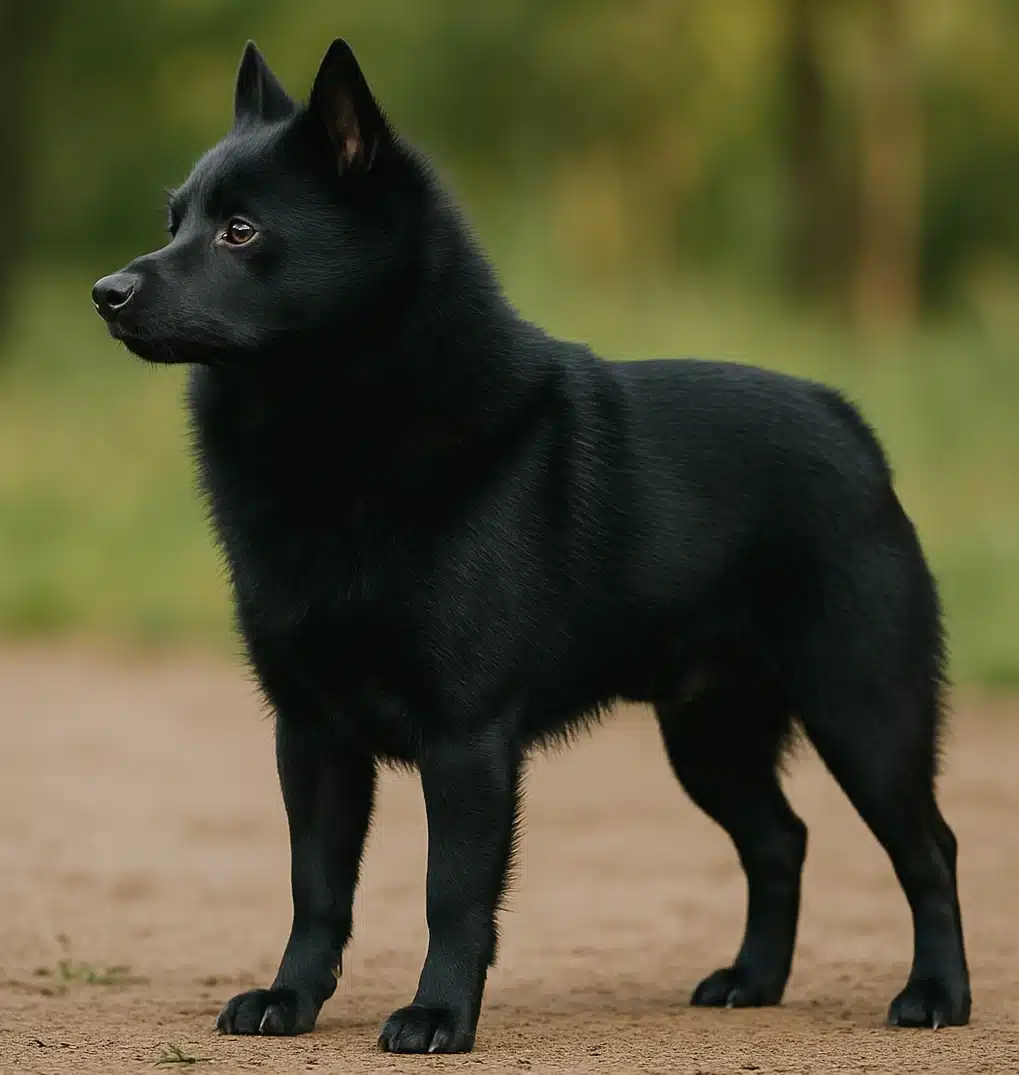
Schipperke: The Energetic and Intelligent Companion
The Schipperke, known for its energy and intelligence, is a small breed with a big personality. These dogs are famous for their lively nature and strong bond with their owners. In this detailed guide, we’ll explore the history, temperament, care, training, and health of the breed to help you determine if this delightful dog is right for you.
📜 History and Origin of the Schipperke
The Schipperke originates from Belgium, where the breed was developed by canal boat captains to act as watchdogs. Their name, which means “little captain” in Flemish, reflects their working history on the waterways. The breed was recognized by the American Kennel Club (AKC) in 1904.
🔆 Overview
-
AKC Height: 10-13 inches
-
AKC Weight: 10-18 pounds
-
Colors: Black
-
Life Expectancy: 12-15 years
-
Group: Non-Sporting Group
🐕 Schipperke Appearance and Characteristics
This is a small, sturdy breed with a distinctive fox-like face and a dense, black coat. Their pricked ears and alert expression make them stand out among other small breeds.
Key Physical Traits of the Schipperke
-
🔹 Size: Small, with a compact and robust build
-
🔹 Coat: Thick, dense, and always black
-
🔹 Face: Fox-like with a sharp expression and pricked ears
-
🔹 Tail: Often docked or naturally bob-tailed
🐕 Schipperke Temperament and Personality
The Schipperke is known for its lively, curious, and independent nature. They are intelligent and eager to learn, making them great companions for active families and individuals.
What Makes the Schipperke Special❔
-
Energetic and Playful: They have a boundless energy and love to play.
-
Intelligent and Curious: They are quick learners and always eager to explore.
-
Loyal and Protective: They form strong bonds with their families and are vigilant watchdogs.
-
Adaptable: They adjust well to different living environments and lifestyles.
👩🎓 Training and Socialization
Training your dog requires consistency, patience, and positive reinforcement. Their intelligence means they can pick up new commands quickly, but they can also be headstrong.
Training Tips
-
✅ Start Early: Begin socialization and training as a puppy.
-
✅ Use Positive Reinforcement: Schipperkes respond well to praise and treats.
-
✅ Be Consistent: Consistency is key in training to help them understand expectations.
-
✅ Encourage Socialization: Expose them to various environments, people, and animals to prevent timid or aloof behavior.
- ✅ Learn to train your dog on our Dog Training Page
✂ Grooming and Care
The Schipperke’s coat requires regular grooming to keep it healthy and clean.
💦 Grooming Needs
-
Brushing: Regular brushing is necessary to remove loose hair and prevent matting.
-
Bathing: Bathe them as needed, typically every few months.
-
Ear Cleaning: Regular checks and cleaning help prevent infections.
-
Dental Care: Brush their teeth regularly to maintain oral health.
-
Nail Trimming: Keep their nails trimmed to avoid discomfort when walking or running.
- Learn to groom your dog on our Dog Grooming Page
🔶 Health and Lifespan
This is generally a healthy breed with a lifespan of 12-15 years. However, they can be prone to certain health issues due to their genetics.
Common Health Concerns
-
🔴 Hip Dysplasia: A hereditary condition affecting joint movement.
-
🔴 Epilepsy: A condition that can cause seizures.
-
🔴 Eye Issues: Such as progressive retinal atrophy.
-
🔴 Thyroid Disorders: Can affect their metabolism.
- 🔴 You can find information about the diseases that affect this breed in our Dog Health Dictionary.
Regular veterinary check-ups, a proper diet, and daily exercise help maintain their overall health.
Is the Schipperke the Right Dog for You❓
This dog is an excellent choice for owners who appreciate an energetic, intelligent, and loyal companion. However, their unique temperament and care needs mean they are not the best fit for everyone.
✅ Ideal for:
-
Active families and individuals: who can provide regular exercise and mental stimulation.
-
Experienced dog owners: who understand the unique needs of the breed.
-
Those who can commit to regular grooming and health care.
❌ Not Ideal for:
-
First-time dog owners: who expect easy training.
-
People with limited time: for regular companionship and grooming.
-
Families with very young children: who may not handle their energy well.
🏠 Where to Find a Schipperke
If you’re interested in welcoming a dog into your home, consider adopting from a rescue organization or finding a reputable breeder.
- 🐶 Find a Reliable Rescue:
- Read our article about how to adopt from a reliable dog rescue.
- Find reliable rescues through our Dog Rescue Directory.
- 👩 Find a Responsible Breeder:
- Read our article about buying a healthy puppy from a responsible breeder.
- Find responsible breeders through our Dog Breeders Directory.
💖 Final Thoughts on the Schipperke
The Schipperke is a remarkable breed that offers energy, intelligence, and loyalty. While they require dedicated care and patient training, they make loving and dependable companions for those who appreciate their unique qualities. If you’re prepared to invest the time and care this breed requires, they can be rewarding and loyal pets.
Browse all dog breeds in our complete alphabetical dog breeds directory.
🐶 Schipperke FAQs
How long do Schipperkes live?
Schipperkes typically have a lifespan of about 13 to 16 years. With proper nutrition, regular exercise, and routine veterinary care, many enjoy long, healthy lives.
This breed is generally hardy but may be prone to certain inherited conditions such as joint issues or eye concerns. Regular health monitoring helps support long-term wellbeing.
What is the Schipperke temperament like?
Schipperkes are known for being alert, intelligent, and confident. They are lively little dogs with a curious nature and strong watchdog instincts.
They tend to be loyal and devoted to their families but can be reserved with strangers. Early socialization helps encourage balanced and well-mannered behavior.
Are Schipperkes good family dogs?
Schipperkes can make good family dogs in active households that appreciate their spirited personality. They enjoy companionship and interactive play.
They generally do best with older children who understand respectful interaction. Consistent routines and supervision help support positive family relationships.
Do Schipperkes shed a lot?
Schipperkes are moderate shedders. Their dense double coat sheds year-round and more heavily during seasonal coat changes.
Regular brushing helps manage loose hair and keeps the coat healthy. Grooming needs are moderate.
Are Schipperkes easy to train?
Schipperkes are intelligent and capable learners but can be independent. Training works best when it is consistent, engaging, and positive.
Positive reinforcement and mental stimulation help maintain focus. Short, structured training sessions are most effective.
🐕 Related Breeds You Might Like
If you’re interested in the Schipperke, you may also enjoy learning about these similar small spitz and watchdog breeds:
- American Eskimo Dog – A spitz-type breed known for intelligence and alertness.
- Finnish Spitz – A lively, fox-like breed valued for independence and awareness.
- Miniature Pinscher – A confident, energetic small breed known for bold personality.