

Have you ever wondered what breeds make up your mixed-breed dog? Or whether your purebred dog might carry genes associated with an inherited health condition?
Dog DNA testing has advanced considerably in recent years. What began largely as a way to identify breeds has expanded into genetic health screening, ancestry research, and the study of inherited physical traits.
These tests can provide useful information, but understanding what they can and cannot tell you is just as important as choosing the right test.
Whether you share your home with a purebred dog, a mixed-breed companion, or a newly adopted rescue, learning about canine genetics can help you make more informed decisions about your dog’s care.
What Is a Dog DNA Test?
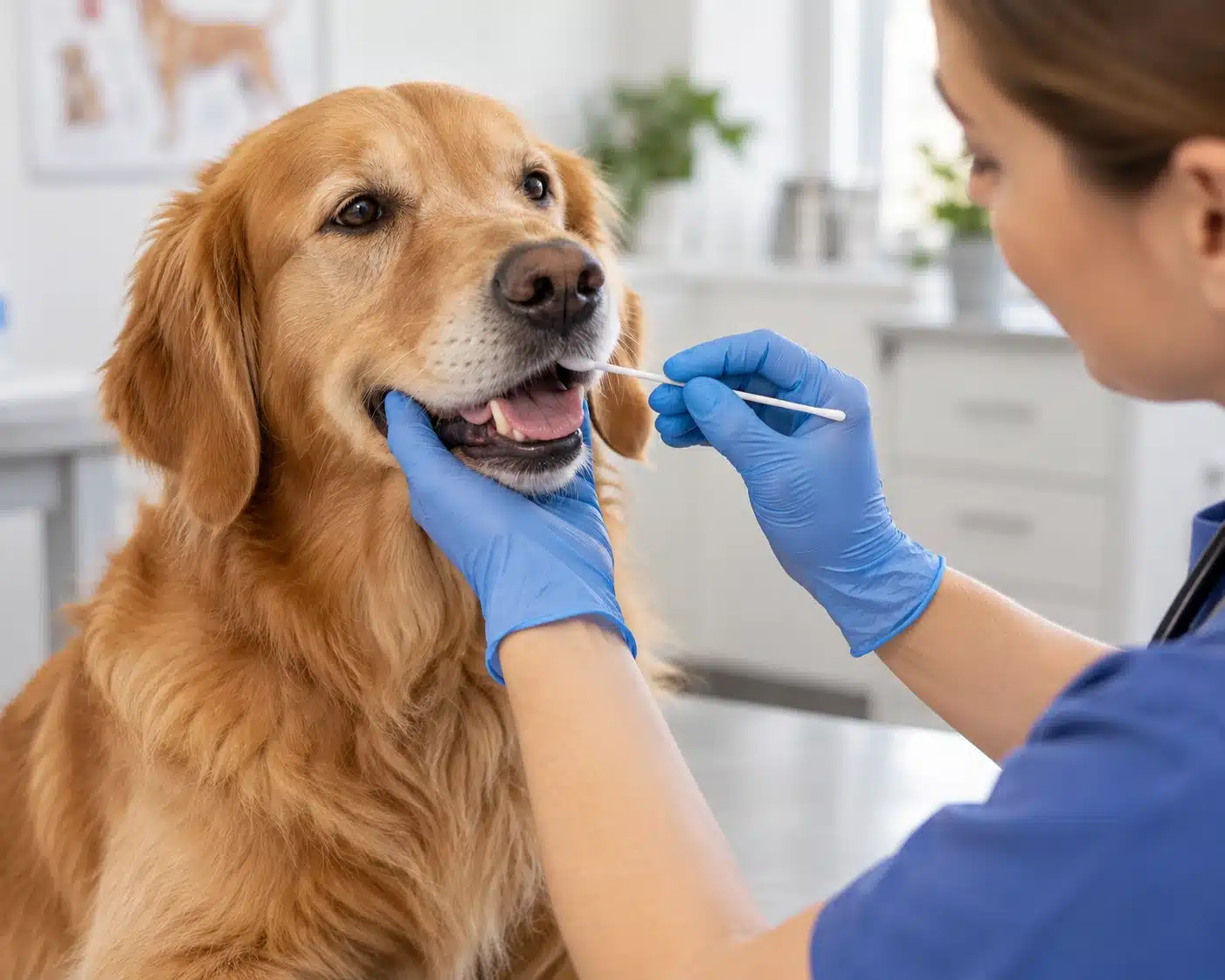
A dog DNA test examines genetic markers in your dog’s DNA. Most home testing kits use a simple cheek swab to collect cells from inside the mouth.
The sample is mailed to a laboratory, where it is analyzed and compared with genetic reference information.
Depending on the test, results may include:
- Identification of breeds in your dog’s ancestry
- Estimated breed percentages
- Inherited physical traits, including coat color and type
- Genetic variants associated with certain health conditions
- Carrier status for some inherited diseases
- Genetic relatives represented in the company’s database
- Information about genetic diversity
Not every test provides all these features. Some kits focus on ancestry, while more comprehensive versions include genetic health screening.
Breed Identification: What’s in Your Mixed-Breed Dog?

For owners of mixed-breed dogs, discovering their dog’s ancestry can be fascinating.
A dog that looks like a Labrador Retriever might have several other breeds in its family tree. A small dog with the appearance of a terrier could have ancestry that would never be guessed from its photograph.
DNA breed identification works by comparing a dog’s genetic markers with reference populations of known breeds.
The result is an estimate of the breeds and proportions represented in the dog’s ancestry.
How Accurate Are Breed DNA Tests?
Accuracy depends on the company’s genetic database, testing technology, and how closely related the breeds are.
Well-represented breeds are generally easier to identify than rare breeds or populations with limited reference samples.
Closely related breeds can also be difficult to distinguish. Very small percentages of ancestry should be interpreted cautiously, especially when different testing companies produce somewhat different results.
Breed estimates may change as companies improve their databases and analysis methods.
A DNA ancestry test is not a substitute for a documented pedigree or official breed registration.
Can DNA Predict Your Dog’s Personality?
Not reliably. Breed ancestry can offer clues about historical working purposes and some inherited tendencies, but every dog is an individual.
Behavior is influenced by genetics, early experiences, training, socialization, environment, and many other factors.
A dog with herding ancestry will not necessarily herd. A dog with retriever ancestry may have little interest in fetching.
Your dog’s actual behavior is far more useful than a DNA report when choosing training methods.
Genetic Health Testing: What Can It Reveal?
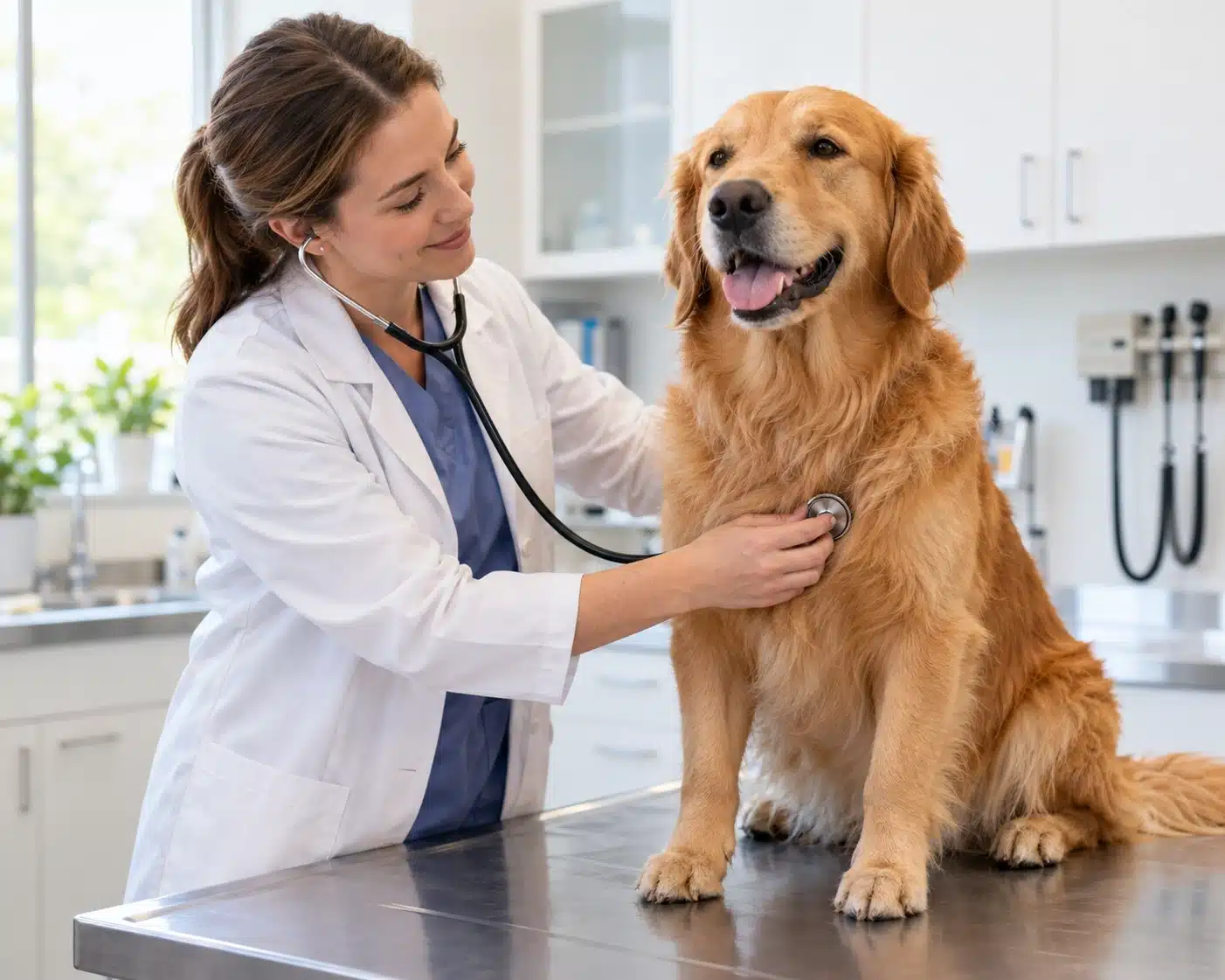
Genetic health screening looks for specific DNA variants associated with inherited diseases or medical sensitivities.
Some variants have a well-established relationship with particular conditions. Others are associated with increased risk but cannot reliably predict whether a dog will become ill.
Examples of conditions or genetic risks that certain tests may screen for include:
- Progressive retinal atrophy (PRA): A group of inherited eye disorders that may cause progressive vision loss.
- Degenerative myelopathy (DM): A disease affecting the spinal cord. Genetic risk results must be interpreted carefully because not every genetically at-risk dog develops the disease.
- Exercise-induced collapse (EIC): An inherited disorder affecting certain breeds.
- MDR1/ABCB1 drug sensitivity: Genetic variants associated with increased sensitivity to certain medications.
- Inherited bleeding disorders: Certain genetic conditions affecting blood clotting.
- Inherited metabolic and neurological disorders: Selected conditions for which specific disease-associated variants are known.
These are examples, not a complete list. Available tests and their usefulness vary by breed and testing provider.
Understanding Clear, Carrier, and At-Risk Results
For some inherited conditions, particularly those involving a well-understood recessive gene variant, results may be reported as:
- Clear: The tested disease-associated variant was not found. This does not mean the dog is free from every genetic disease.
- Carrier: The dog has one copy of a variant associated with a recessive condition. Carriers often do not develop that particular disease but may pass the variant to offspring.
- At Risk: The dog’s genotype is associated with an increased likelihood of developing a condition. The significance depends on the disease, inheritance pattern, and specific variant.
Not all diseases follow simple recessive inheritance. Some have dominant, X-linked, or complex inheritance patterns.
A result identifying a genetic risk does not always mean your dog will develop the disease. Likewise, a negative result cannot guarantee lifelong health.
Important: Discuss concerning genetic results with your veterinarian before making medical, dietary, or treatment decisions.
Why Genetic Health Screening Matters for Purebred Dogs
Purebred dogs may have known inherited health concerns associated with their breed.
Responsible breeders have long used pedigrees, health examinations, and selective breeding to reduce the occurrence of inherited diseases. DNA testing adds another valuable tool to those efforts.
However, even a comprehensive genetic panel cannot replace all the health examinations recommended for a particular breed.
For example, hip and elbow evaluations, eye examinations, and cardiac screenings may still be essential, depending on the breed.
The Orthopedic Foundation for Animals (OFA) provides information about inherited diseases and health screening.
Through the Canine Health Information Center (CHIC), owners and breeders can learn about breed-specific health testing recommendations.
Owners considering a puppy should ask breeders about the relevant health testing performed on both parents and request verifiable results.
A DNA test alone does not establish that a breeding dog has received all appropriate health screening.
Should You DNA Test a Rescue Dog?
For newly adopted rescue dogs, DNA testing can provide interesting and potentially useful information.
An ancestry test may help answer questions about a dog’s background when its parentage is unknown.
A combined breed and genetic health test may also identify certain inherited risks worth discussing with a veterinarian.
There are limitations, however. Knowing a dog’s breed mixture does not determine its temperament, training needs, or suitability for a particular household.
A rescue dog’s behavior should be evaluated individually, particularly during the adjustment period after adoption.
DNA testing is optional, and a dog does not need genetic testing to receive excellent care, training, and affection.
Explore our Dog Rescue Directory to find rescue organizations and adoption resources.
Comparing Popular Dog DNA Tests
Two established providers of consumer dog DNA testing are Embark and Wisdom Panel.
Both offer breed identification and additional features, but the information included depends on the specific kit purchased.
Embark Dog DNA Tests
Embark offers breed ancestry testing as well as more comprehensive breed and genetic health testing.
Depending on the selected product, features may include:
- Breed identification and estimated ancestry
- Genetic health screening
- Inherited physical traits
- Identification of genetic relatives in its database
- Genetic diversity information
- Family tree information
The Breed + Health option may be particularly useful for owners interested in both ancestry and inherited medical risks.
Wisdom Panel Dog DNA Tests
Wisdom Panel offers several testing levels for owners with different interests and budgets.
Depending on the kit, features may include:
- Breed identification and ancestry estimates
- Genetic relative matching
- Inherited physical traits
- Selected medication sensitivity screening
- Genetic health screening
- Additional health information and genetic consultation with certain products
Owners interested primarily in breed identification may prefer a basic kit. Those wanting broader health screening should compare the more comprehensive options.
Which Dog DNA Test Should You Choose?
The best test depends on what you hope to learn.
If your main question is, “What breeds are in my dog?” an ancestry-focused kit may be sufficient.
If you also want information about inherited disease variants, select a test with appropriate health screening.
For breeding decisions or a known hereditary condition, breed-specific tests through a qualified veterinary genetics laboratory may be more appropriate.
Before purchasing, compare the included tests, available veterinary support, company privacy policies, and whether your dog’s particular breed or condition is adequately represented.
What Dog DNA Tests Cannot Tell You
DNA tests are valuable tools, but they have important limitations.
They cannot:
- Guarantee that a dog will or will not develop a disease
- Replace routine veterinary examinations
- Detect every inherited condition
- Diagnose most current illnesses
- Reliably predict an individual dog’s personality
- Establish an official purebred pedigree or registration
- Replace breed-specific orthopedic, cardiac, or ophthalmic screening
Perhaps the most important distinction is between genetic risk and clinical diagnosis.
A dog may carry a genetic variant without ever developing associated symptoms. Another dog may develop a similar disease for reasons not detected by the DNA panel.
Genetic testing is most useful when results are interpreted alongside the dog’s medical history, examination findings, breed background, and veterinary advice.
How to Collect a Dog DNA Sample
Most consumer DNA kits are straightforward to use.
- Purchase and register the testing kit.
- Follow the manufacturer’s instructions about food, water, and sample collection.
- Gently swab the inside of your dog’s cheek as directed.
- Secure the sample in the supplied container.
- Mail it to the laboratory using the instructions provided.
- Review the results when the laboratory completes its analysis.
Results are generally available online. Processing times vary by company and test.
Keep a copy of the report in your dog’s health records, especially if it includes findings relevant to veterinary treatment.
Frequently Asked Questions About Dog DNA Testing
Can puppies have DNA tests?
Yes. DNA testing can be performed on puppies, although collection instructions and minimum-age recommendations vary by company. Very young puppies may require extra precautions to prevent sample contamination.
Are dog DNA tests worth the money?
They can be worthwhile for owners interested in breed ancestry or particular genetic health information. Their value depends on the quality of the test and whether the results answer questions that matter to the owner.
Can DNA testing tell me how big my puppy will grow?
Some tests estimate adult size using genetic traits and breed ancestry. These estimates are not guarantees. Nutrition, health, and other factors also influence growth.
Can DNA testing detect hip dysplasia?
Not reliably through a standard consumer DNA panel. Hip dysplasia is a complex condition involving multiple genetic and environmental factors. Appropriate veterinary examination and orthopedic imaging remain important.
Does a negative genetic health report mean my dog is healthy?
No. It means the particular variants included in the test were not identified in the way reported. Many diseases are not covered by genetic panels, and others do not have a simple genetic cause.
Should purebred dogs be DNA tested?
Many purebred dogs can benefit from appropriate genetic testing, particularly when screening for variants relevant to their breed. But testing should be selected according to breed-specific recommendations rather than relying only on the number of conditions included in a panel.
Final Thoughts on Dog DNA and Genetic Health Testing
Dog DNA testing can be an interesting way to learn more about your companion’s ancestry and, in some cases, uncover genetic information that may help guide veterinary care.
For mixed-breed and rescue dogs, breed identification offers a glimpse into their backgrounds. For purebred dogs, appropriate genetic health testing can contribute to responsible breeding and informed health management.
But no genetic report tells the complete story of an individual dog.
Your dog’s health, temperament, personality, and needs are shaped by far more than the breeds or genetic variants listed in a laboratory report.
Use DNA information as one tool among many, and always work with your veterinarian when interpreting medical findings.
Additional Resources
- UC Davis School of Veterinary Medicine: What Genetic Testing Can and Can’t Tell You About Your Pet
- Orthopedic Foundation for Animals: CHIC Program
- Dog-Breeds.net Dog Breed Directory
- Dog-Breeds.net Dog Rescue Directory
Veterinary Disclaimer: This article is provided for educational purposes and is not a substitute for veterinary diagnosis, treatment, or professional genetic counseling. Consult your veterinarian when interpreting genetic health findings.